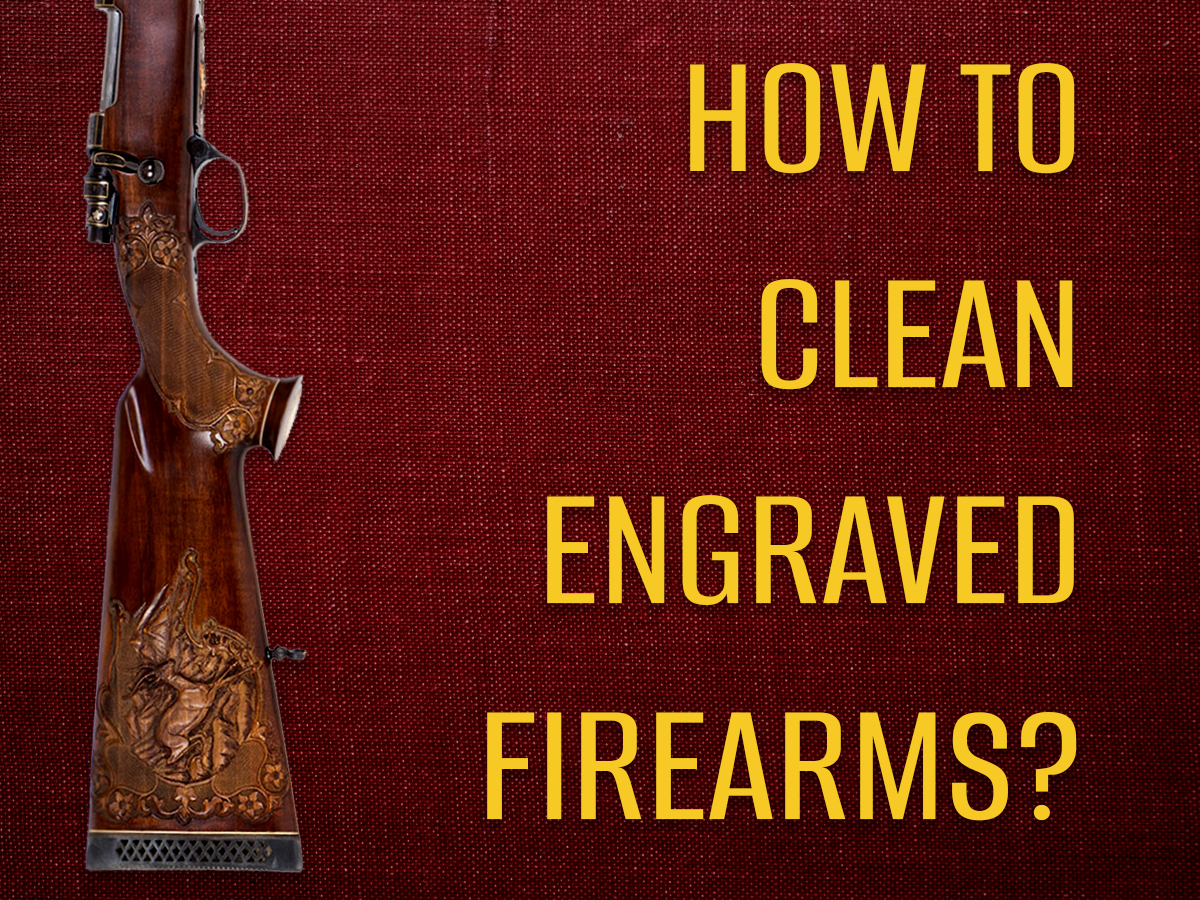
Engraved guns look sharp for a reason. They combine function with craftsmanship, and that means your cleaning routine needs a little finesse. If you want to know how to clean engraved firearms without dulling the details or turning fine metalwork into a scratch test, the answer is simple: use a careful process, light pressure, and the right Zastava-approved maintenance habits.
Remember: prompt cleaning after use, light lubrication, and dry storage, which fits engraved models just as well as standard ones.
Why Engraved Firearms Need A Smarter Touch
The basic rules of how to clean engraved firearms do not change the goal. You still want clean metal, protected surfaces, reliable function, and no trapped fouling. What changes is your attitude.
Engraving adds detail, edges, cuts, and decorative surfaces that deserve patience. That does not mean engraved Zastava firearms are fragile museum flowers that faint at the sight of a cleaning cloth. It means you should skip the brute-force approach.
Zastava Arms USA offers engraved models such as the CZ999SC, which includes laser engraving on the grips and slide. That confirms engraved finishes are a real part of the lineup, not some weird afterthought you imagined at 2 a.m. while browsing gun photos.
Start With Safety, Because Style Does Not Cancel Common Sense
Before you do anything else, unload the firearm completely. Zastava’s handgun cleaning guidance starts with a clear safety sequence: point in a safe direction, remove the magazine, verify the chamber is empty, and keep your finger off the trigger.
That same mindset applies across the board when you work on any engraved firearm.
If you are learning how to clean engraved firearms, this step matters more than any fancy cloth, oil, or brush. A flawless cleaning routine means nothing if you skip the obvious safety checks. The engraving might be beautiful, but the chamber still does not care about your aesthetic appreciation.
Gather The Right Tools Before You Start
A smart setup keeps the process simple. Use a compact, practical tool set that includes a cleaning rod or pull-through, bore brush, and patches in the correct caliber, a nylon utility brush, cotton swabs or patches, a microfiber or cotton cloth, and cleaner or lubricant.
For how to clean engraved firearms, that list works very well because it avoids harsh tools that can mark decorative surfaces.
The star of the show here is DRNCH Gun Lubricant And Cleaner, a cleaner, lubricant, and short-term protectant with corrosion protection and low-temperature usefulness.
A good bench kit should include:
- A nylon brush, not a steel brush
- Correct-caliber bore tools
- Soft patches
- Cotton swabs for tight engraved areas
- A microfiber cloth
- Light oil or a Zastava cleaner-lube like DRNCH
That is enough. You do not need twelve miracle bottles and a dramatic soundtrack.
Field Strip Only As Far As Routine Cleaning Requires
One of the biggest mistakes people make when learning how to clean engraved firearms is overdoing the teardown. Favor field-strip access for routine care rather than unnecessary deep disassembly. That helps you reach the important areas without creating extra chances to slip, scrape, or bump decorative surfaces.
If the model has an owner’s manual, use it.
For engraved firearms, restraint is a virtue. If a standard field strip gives you access to the barrel, slide or bolt assembly, contact surfaces, and exposed metal, that is usually enough for regular care.
Clean The Bore And Action First
When people ask how to clean engraved firearms, the engraved surface gets all the attention. Fair enough. It looks cool. But you still need to clean the working parts first.
We recommend brushing the bore with cleaning solution, then running patches until they come out clean. Its rifle guidance also stresses prompt post-use cleaning, wiping surfaces dry, and lubricating lightly after cleaning.
So your order should look like this:
- Clean the bore and chamber
- Wipe fouling from the bolt, carrier, slide, frame, or receiver
- Remove residue from rails and contact areas
- Dry all surfaces well
- Move to the engraved exterior last
That order makes sense because the messy work comes first. You do not want carbon and solvent bouncing back onto freshly cleaned decorative surfaces.
Clean Engraved Areas With Light Pressure And Zero Ego
This is the heart of how to clean engraved firearms. The engraved sections need gentle, deliberate cleaning. Use a soft cloth, patch, or cotton swab with a small amount of cleaner. Work the surface carefully instead of scrubbing like you are sanding a deck.
Why? Because engraving has cuts, recesses, and fine edges. Dirt and old oil can settle into those details, but the answer is not aggression. The answer is control.
A nylon brush can help if residue sits in the cuts, but keep the pressure light. A cotton swab often works even better for tracing along scrollwork, borders, crests, or laser-cut patterns.
On engraved wood grips, use a dry or barely damp soft cloth rather than soaking the surface. The goal is to lift grime, not flood the material.
Use Lubrication Sparingly
If you remember one thing about how to clean engraved firearms, remember this: more oil does not equal more care.
Use a light coat of oil on clean metal and fight against excess lubrication.
That matters even more on engraved guns because extra oil loves to settle into cuts and decorative recesses. At first, it looks shiny. Later, it collects dust, lint, and residue like a tiny dirt magnet with delusions of grandeur.
Use a tiny amount on:
- Rails and friction points
- Barrel exterior contact points
- Protected metal surfaces that need corrosion resistance
Then wipe away any extra. The engraving should look crisp, not wet enough to fry an egg.
Protect The Finish Before Storage
A big part of how to clean engraved firearms happens after the cleaning itself. Store firearms dry, with a light protective film on clean metal, in a dry, locked space. Even unfired firearms should receive periodic cleaning after exposure to dust, rain, snow, or dew.
That advice works perfectly for engraved models. Fine decorative metalwork does not need special drama. It needs dry conditions, clean handling, and consistency.
Final Thoughts
Once you understand how to clean engraved firearms, the job stops looking intimidating. Clean the working parts first, handle the engraved sections with a soft touch, use light lubrication, and store the firearm dry.
That approach matches Zastava’s current maintenance guidance and helps preserve both the function and the visual detail that make engraved firearms so appealing.