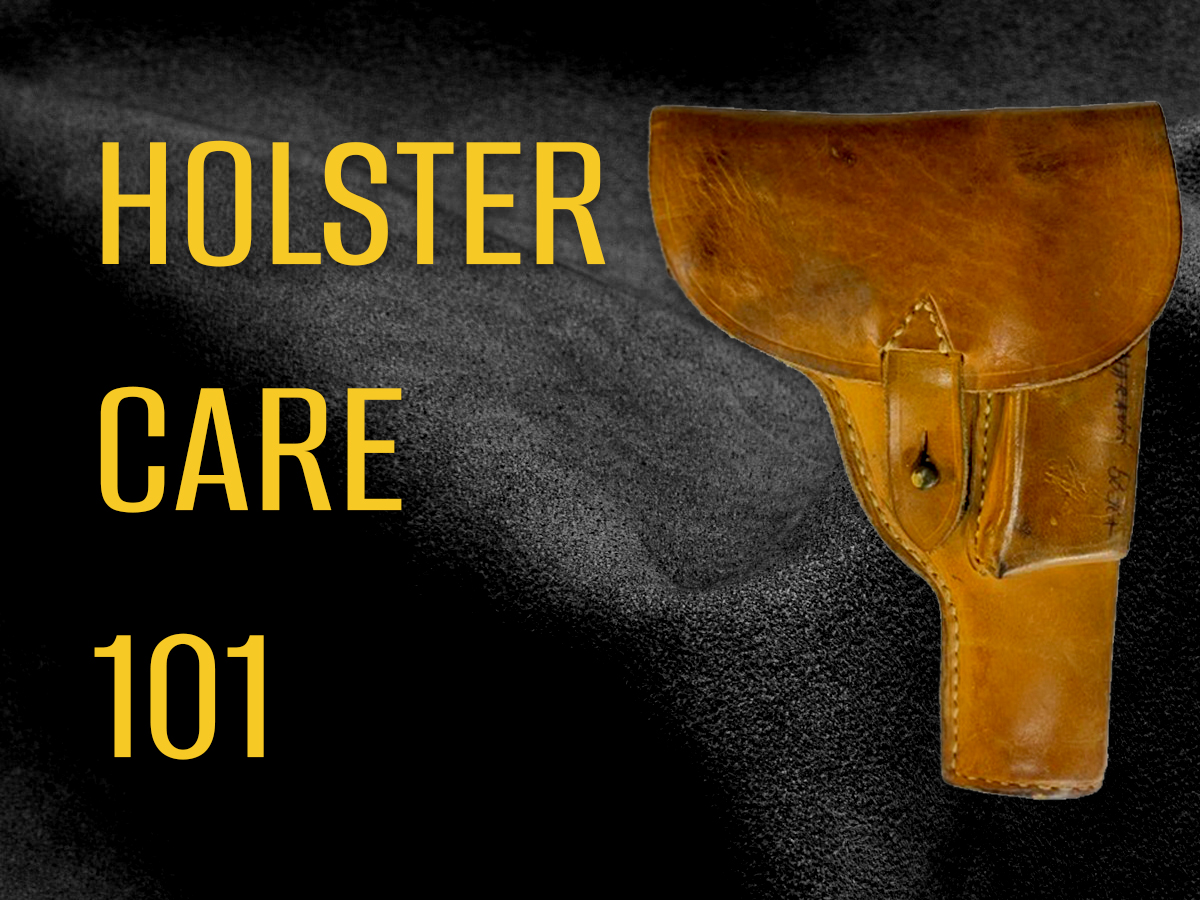
Holster care sounds boring right up until sweat, loose screws, or a damp closet try to ruin a perfectly good carry setup. Good news: solid holster care does not require wizardry, incense, or a drawer full of mystery creams. It needs a clean routine, a little consistency, and gear that fits the pistol correctly. Zastava Arms USA offers model-specific holsters for pistols like the M57A, M70AA, M88A, CZ99, CZ999, and EZ9, which gives owners a strong starting point for dependable fit and long-term use.
Why Holster Care Matters More Than People Admit
A holster does more than hold a pistol. It protects access, supports retention, helps cover the trigger guard, and keeps daily carry consistent. Zastava Arms USA’s own guidance on handgun selection stresses that a proper holster should hold the pistol in the same position every time, fully cover the trigger guard, and allow a full firing grip before draw. That means holster care affects safety, comfort, and reliability at the same time. Ignore it long enough and small problems start to stack up like unpaid parking tickets.
Holster care also helps protect the pistol itself. Sweat, lint, dust, and trapped moisture do not care how nice your handgun looks or how confident you feel on Tuesday. Zastava’s recent maintenance content stresses light lubrication, dry storage habits, and regular wipe-downs after use. Those habits matter for the handgun, and they matter just as much for the holster that rides against your body all day.
Start With The Right ZastavaArms Setup
The easiest holster care wins happen before you even clean anything. Start with a holster that actually matches the pistol. Zastava Arms USA offers purpose-built options like the Shoulder Holster CZ99/CZ999/EZ9, the Belt Holster CZ99/CZ999/EZ9, the Shoulder Holster M57A/M70AA/M88A, the Belt Holster M57A/M70AA/M88A, and the IWB Holster M57A/M70AA/M88A. Those listings describe features like adjustable straps, thumb breaks, steel clips, and model-specific fit, which make routine inspection easier because you know what “normal” should look like.
That fit advantage matters in holster care. A loose match can create uneven wear, extra movement, and more stress on clips, straps, snaps, and stitching. A correct ZastavaArms holster gives you a more stable baseline. Translation: less drama, fewer surprises, and a better chance that your carry gear ages gracefully instead of like a lawn chair left out all winter.
Sweat Is The Daily Enemy
If you carry often, sweat becomes part of the story. It reaches leather, metal hardware, clips, snaps, and the pistol itself. Even when the holster feels dry, salt and moisture can stay behind. Zastava’s cleaning guidance for handguns recommends a light exterior wipe for corrosion resistance after use, and that mindset fits holster care perfectly. After a hot day, wipe the pistol, inspect the holster interior and body-contact side, and let the holster air out at room temperature. Do not shove it straight into a bag or drawer and pretend that counts as maintenance.
Sweat matters even more with leather. Conservation guidance from the U.S. National Park Service notes that leather can deteriorate from poor storage conditions and contact with other materials, while firearm-storage guidance from industry sources stresses that wet gear should never go into storage. In plain language: sweat plus darkness plus no airflow equals trouble. Good holster care means you break that cycle early.
How To Handle Leather Without Ruining It
Leather holster care should stay simple. Wipe off surface sweat, body oils, and dust with a clean, dry, soft cloth. If the leather picks up dirt, use a slightly damp cloth and keep the moisture light. Then let the holster dry naturally at room temperature. No radiator. No hair dryer. No oven. No “I left it on the dash and the sun will figure it out.” The sun will not figure it out. It will just make the leather angry. Guidance on leather holster moisture care specifically recommends room-temperature air drying and warns against forced heat.
Use leather products carefully. Overdo oils or conditioners and you can soften the holster too much, which may hurt shape and retention. For practical holster care, less is usually more. Keep the leather clean, dry, and properly shaped. If the holster loses form, cracks badly, or feels mushy, do not try to fix it with a chemistry experiment from a forum philosopher. Replace it and move on with dignity. General museum leather-care guidance also supports stable storage and cautious treatment rather than aggressive product use.
Do Not Ignore Hardware Checks
A lot of people think holster care starts and ends with leather. That is like washing your car and never checking whether the wheels still attach. Hardware deserves real attention. Inspect screws, rivets, clips, loops, snaps, thumb breaks, and strap anchors. Look for loosening, cracking, corrosion, bending, or odd wear. Zastava holster product pages highlight features like thumb breaks, adjustable straps, steel clips, and support structure, which gives you a clear list of parts to check during routine maintenance.
A simple holster care check takes less than a minute. Tug lightly on the straps. Test the snap. Confirm the clip still grips hard. Make sure the holster mouth keeps shape. Check for hardware rust if you carry in heat or humidity. If something feels loose today, it usually feels worse next week. Small fixes done early protect both comfort and confidence. That is a pretty solid return for sixty seconds of effort.
Check The Inside, Not Just The Outside
Holster care does not stop at the visible side. The inside collects lint, dust, and grit, and that junk can rub the pistol finish or affect fit over time. Empty the holster, turn it so you can inspect the channel and seams, and clear loose debris with a dry cloth or soft brush. Keep the process gentle. You want clean contact surfaces, not a home renovation project. Zastava’s own handgun and magazine care guidance favors dry wipes and light-touch cleaning over heavy oil or overcomplicated routines, and that same logic works here.
This step matters for retention too. A holster that feels “different” often does not need a dramatic explanation. Sometimes it just has lint, dust, sweat residue, or a little grime where the pistol seats. Good holster care means you remove the obvious suspects before you blame the design, the weather, Mercury in retrograde, or your coffee.
Pair Holster Care With Handgun Care
Holster care works best when it pairs with pistol care. After carry or range use, wipe the handgun exterior, especially the parts that contact sweat and holster material. Zastava’s handgun-cleaning content recommends small amounts of lubrication on key contact points and a light exterior metal wipe for corrosion resistance. That routine helps protect the pistol before it goes back into service. It also keeps dirt and excess oil from transferring into the holster.
For Zastava owners, this part stays easy because the support ecosystem already exists. You can review the Zastava Handgun Cleaning: Compact Tools That Cover Range And Carry Use article, check the CZ999 Maintenance Guide, and browse the Owner’s Manuals page for model-specific reference material. Holster care gets easier when the rest of your maintenance routine already makes sense.
Long-Term Storage: Separate The Pistol And The Holster
This is the big one. For long-term storage, do not leave the pistol sitting inside a leather holster. Leather can absorb moisture from sweat and the air, then hold that moisture against metal surfaces. NRA Museum guidance on collectible firearms warns that corrosion can develop quietly, while multiple leather-care and firearm-storage sources advise dry storage and separation for long-term protection. If you want the short version: wear together, store apart.
The smarter holster care routine looks like this: clean the pistol, dry the holster, store both in a cool and dry location, and control humidity. Industry guidance commonly places ideal firearm storage around 30% to 50% relative humidity. That range helps limit rust risk without inviting other storage headaches. Add airflow, avoid damp basements, and skip sealing wet gear inside cases. Your future self will appreciate the lack of orange surprises.
A Simple Holster Care Routine You Can Actually Keep
The best holster care plan is the one you will actually follow. After daily carry, wipe the holster down and let it air out. Once a week, inspect the inside, exterior, and all hardware. Once a month, give the setup a more careful check: look at retention, shape, stitching, strap condition, clip tension, and any sign of corrosion on hardware. After heavy sweat, rain, or range dust, do the routine sooner. Weather does not care about your schedule.
If you rotate carry gear, even better. Moisture-care guidance for leather holsters notes that giving leather time to rest and dry helps long-term condition. So yes, owning more than one holster can count as responsibility. Please enjoy that sentence if you ever need to justify another ZastavaArms order. The Holsters section gives you a clean place to start.
Final Thoughts
Holster care should not feel complicated, and with ZastavaArms gear, it does not have to. Start with a proper fit. Respect sweat. Keep leather clean and dry. Check hardware before small issues turn into annoying ones. Store the pistol and holster separately for the long haul. Tie that routine to regular handgun maintenance, and your setup stays cleaner, safer, and ready for the next day instead of sulking in a drawer.
If you want to build a solid carry setup around your pistol, take a look at Zastava Arms USA’s holster selection, read the handgun cleaning guide, and keep the owner’s manuals handy. Good holster care is not glamorous, but it does keep your gear honest. That counts for a lot.