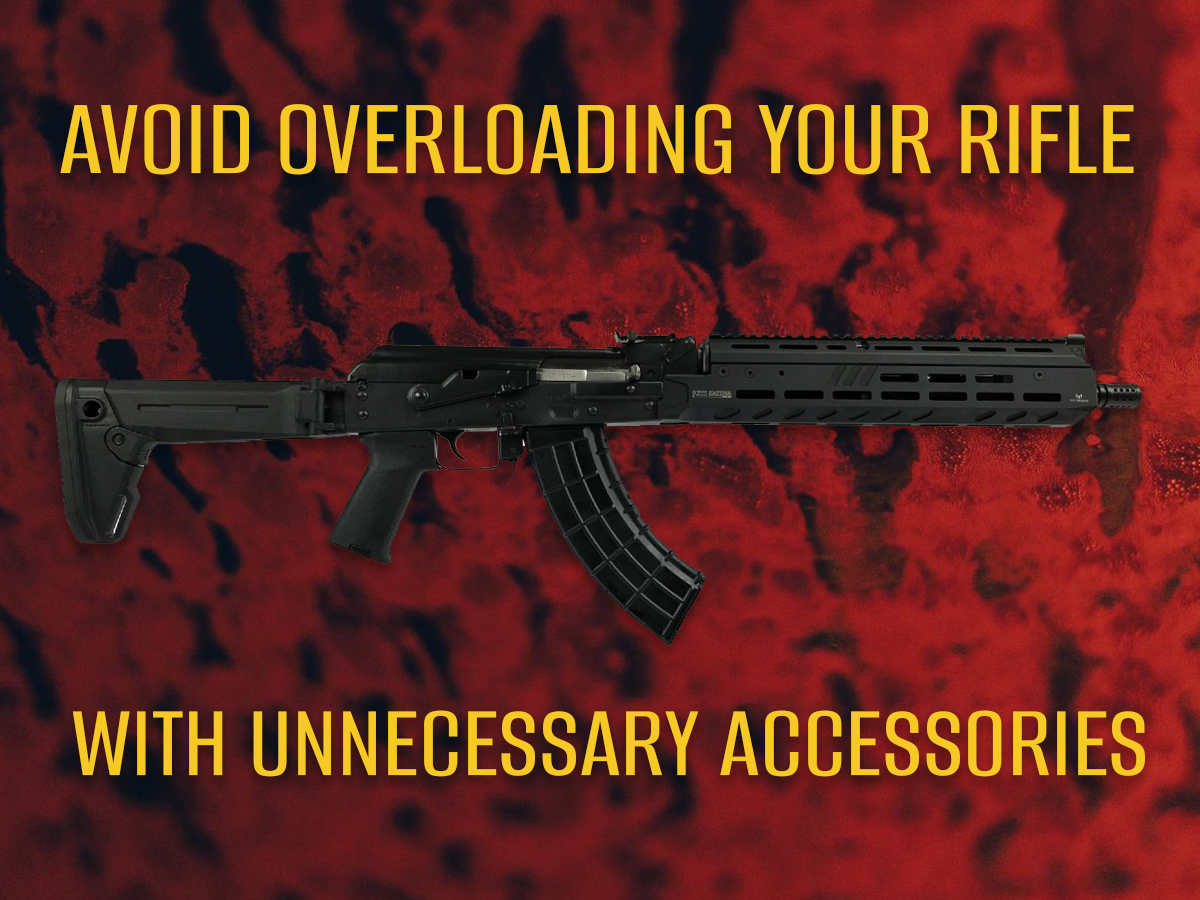
Rifle accessories can improve comfort, control, and range performance. They can also multiply faster than snacks at a family barbecue. One rail becomes three attachments, and suddenly your rifle needs its own parking permit.
The solution does not require a completely bare rifle. It requires a clear plan. A well-equipped ZastavaArms rifle should feel natural, balanced, and ready for its main role. This guide will help you spot unnecessary accessories, select useful upgrades, and keep your rifle pleasantly free from gadget overload.
Start With a Clear Job
Before you buy any accessory, decide what you expect from the rifle. Do you want a comfortable range setup, a practical sporting rifle, or a classic Zastava configuration with subtle modern upgrades?
The ZPAPM70 semi-automatic sporting rifle already provides a rugged and dependable foundation. Every accessory should support the role you choose for it.
Write down your top three priorities. Perhaps you want a clearer sight picture, better stock fit, and a more comfortable support-hand position. That short list helps you reject unnecessary accessories before they reach your shopping cart.
Begin With a Clean Baseline
Use the rifle in its current form before you change it. This simple step shows you what already works and where a practical upgrade could help.
Before each inspection, unload the rifle, remove the magazine, open the action, and confirm an empty chamber. Follow the official owner’s manual for all installation and maintenance steps.
At the range, note how the stock meets your shoulder, where your support hand rests, and how quickly you find the sights. Do not change five parts after one session. One adjustment at a time gives you a clear result and prevents unnecessary accessories from hiding the rifle’s natural strengths.
Give Every Part One Clear Purpose
Each accessory needs a job. Ask one direct question: “What problem does this part solve?”
A useful accessory may improve comfort, support an optic, provide a better hand position, or help the rifle fit your range routine. If you cannot name its purpose in one sentence, pause before you buy it.
The ZastavaArms guide on how to choose rifle accessories based on use follows this same practical approach. Purpose comes first. Hype can wait in the car.
This rule does not limit customization. It makes each upgrade more valuable because every part contributes to the complete setup.
Protect the Rifle’s Natural Balance
Accessory weight matters most near the front of the rifle. A small part may look harmless on a workbench, yet several front-end additions can make the support arm work much harder.
Shoulder the unloaded rifle and hold it in a normal range position. The rifle should point naturally without excessive wrist, shoulder, or forearm strain. If the muzzle constantly pulls downward, review the front end.
ZastavaArms explains this relationship in its guide to a balanced ZPAPM70 front-end setup. The goal does not call for fewer features at any cost. It calls for the right features in the right places, without unnecessary accessories that add bulk but offer little value.
Choose Zastava-Compatible Parts With Confidence
Correct compatibility keeps a setup clean and straightforward. Zastava-pattern rifles require parts that match their dimensions and attachment points, so always check the listed model fit before purchase.
The official ZPAPM70 accessories section includes furniture, stocks, handguards, adapters, and other parts for Zastava platforms. This makes it easier to create a coherent setup without trial-and-error clutter.
For example, the M70 Extended M-LOK Handguards use 6061-T6 aluminum, provide a 14.5-inch layout, include a 1913 top rail, and fit the ZPAPM70. Extra attachment space offers flexibility, but you do not need to fill every slot. Empty rail space will not feel lonely.
Build the Optic Setup as One System
An optic setup includes more than an optic. Mount height, stock position, cheek contact, and balance all affect comfort.
First, shoulder the unloaded rifle with your eyes closed. Settle into a natural position, then open your eyes. Your eye should meet the sight line without a dramatic neck stretch. If your head floats above the stock, review the mount height or stock position.
The ZastavaArms article on ZPAPM70 stock fit explains how length, cheek position, and balance work together. Treat them as one system, and you can avoid unnecessary accessories that merely compensate for a poor initial fit.
Use a Short Range Audit
After each range trip, ask four questions:
- Did the accessory improve comfort?
- Did it help you use the rifle more consistently?
- Did it stay secure and out of the way?
- Would you miss it during the next session?
Keep parts that earn clear “yes” answers. Reconsider anything that adds weight, blocks access, catches on equipment, or never serves its intended purpose.
Record your answers in a small notebook. Three or four sessions will reveal far more than ten minutes at a workbench. This simple audit also stops unnecessary accessories from becoming permanent residents just because you already bought them.
Keep the Setup Useful and Enjoyable
A thoughtful ZastavaArms setup does not need to look bare. It needs to feel complete. Start with the rifle’s purpose, add one useful part at a time, confirm compatibility, and test each change under safe range conditions.
Quality Zastava Arms furniture, mounts, handguards, and stock options let you personalize your rifle without clutter. Avoid unnecessary accessories that lack a clear role, and let each chosen upgrade support comfort, balance, and confidence.
The final test remains wonderfully simple: when you shoulder the rifle, everything should feel like it belongs there.