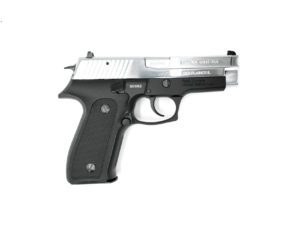
A firearm warranty claim becomes easier to review when it arrives with accurate records and a clear description. We need to identify the product, understand what you observed, and determine whether our written warranty applies. That process does not benefit from guesses, dramatic language, or a box shipped without instructions. A small amount of organization can make the exchange clearer for both you and our support team.
Stop Using a Firearm With a Safety Concern
If you suspect an unsafe condition, stop using the firearm and keep it secured according to applicable laws and our instructions. Do not recreate a malfunction to gather more evidence. A second incident is not a useful documentation strategy.
If you cannot safely unload or secure the firearm, contact a qualified professional and explain the condition before handling or transport. Do not follow generic online instructions intended for another model. Safety comes before the speed of the claim.
Read the Current Warranty Policy
Review our official warranty policy before you prepare the request. Note eligibility requirements, exclusions, proof-of-purchase needs, and our instructions for obtaining service. Policies can change, so use the current page.
Do not assume that a problem automatically qualifies or that a particular repair will be free. Our support team must evaluate the facts under the written terms. Your role is to provide us with an accurate record, not to write the decision in advance.
Gather Product and Purchase Information
Prepare the exact model name, requested identifying information, purchase date, dealer, and receipt. If you completed product registration, add the confirmation or reference. Keep unrelated payment and personal records out of the submission unless the process specifically requests them.
Check every number before sending. A single incorrect character can connect the request to the wrong record or create an avoidable follow-up. Clear scans or photographs of requested documents should show the whole relevant area without revealing information we did not request.
Describe the Symptom, Not Your Verdict
Explain what you noticed, when it first occurred, and whether the condition has changed. Separate observation from diagnosis. “The control remained in this position” is more useful than “the entire mechanism is defective” when you have not inspected the cause.
Include approximate use only if relevant, and label estimates honestly. Mention any changes, accessories, ammunition, service, or unusual event that may help us understand the timeline. Withholding a relevant detail rarely makes a technical review easier.
Choose Clear Photos
Photograph the firearm only after confirming a safe condition. Use good light and a plain background. Include one orientation image and closer photographs of the area in question. Keep serial information private and send it only through the official channel when requested.
Avoid filters, markup that covers the surface, and unnecessary disassembly. If you add an arrow, keep the unedited original as well. The purpose of a photo is to show the condition clearly, not to win a close-up photography competition.
List Previous Steps Accurately
Tell us what you already did, including routine cleaning, inspection under the manual, or work performed by another party. Do not continue troubleshooting after a safety concern appears unless we or a qualified professional provide appropriate instructions.
Prior work may affect the evaluation, so describe it plainly. Include dates and invoices where relevant. A complete timeline helps the technician distinguish the original concern from changes that occurred later.
Contact Us Before Shipping
Use our official contact page and follow the requested process. Do not ship a firearm or component until we provide authorization and current instructions. Packaging, contents, and destination must match that guidance.
Confirm applicable federal, state, local, and carrier requirements through appropriate sources. We can explain our service process, but a general article cannot determine every transport rule for your location. When uncertain, ask before moving the item.
Keep the Communication in One Thread
Use a descriptive subject line and reply within the same email thread. Save the reference number, dates, attachments, and names of representatives. If you correct a detail, state the correction clearly instead of quietly changing the story in a new message.
Avoid sending daily status requests unless the stated time has passed or important new information appears. A tidy communication record helps both sides see what has been requested and completed. It also gives you a reliable timeline if you need to revisit the case.
Prepare for the Return
Follow our instructions for what to include and remove. Do not send ammunition or accessories unless specifically directed and legally permitted. Keep photographs of the packaged contents and any carrier documentation in your private claim file.
Review the relevant manual on our owner’s manuals page when the firearm returns, and read the service notes before use. A firearm warranty claim works best when accurate information follows the product from the first message through the final record. Organization cannot guarantee an outcome, but it can remove many preventable delays.