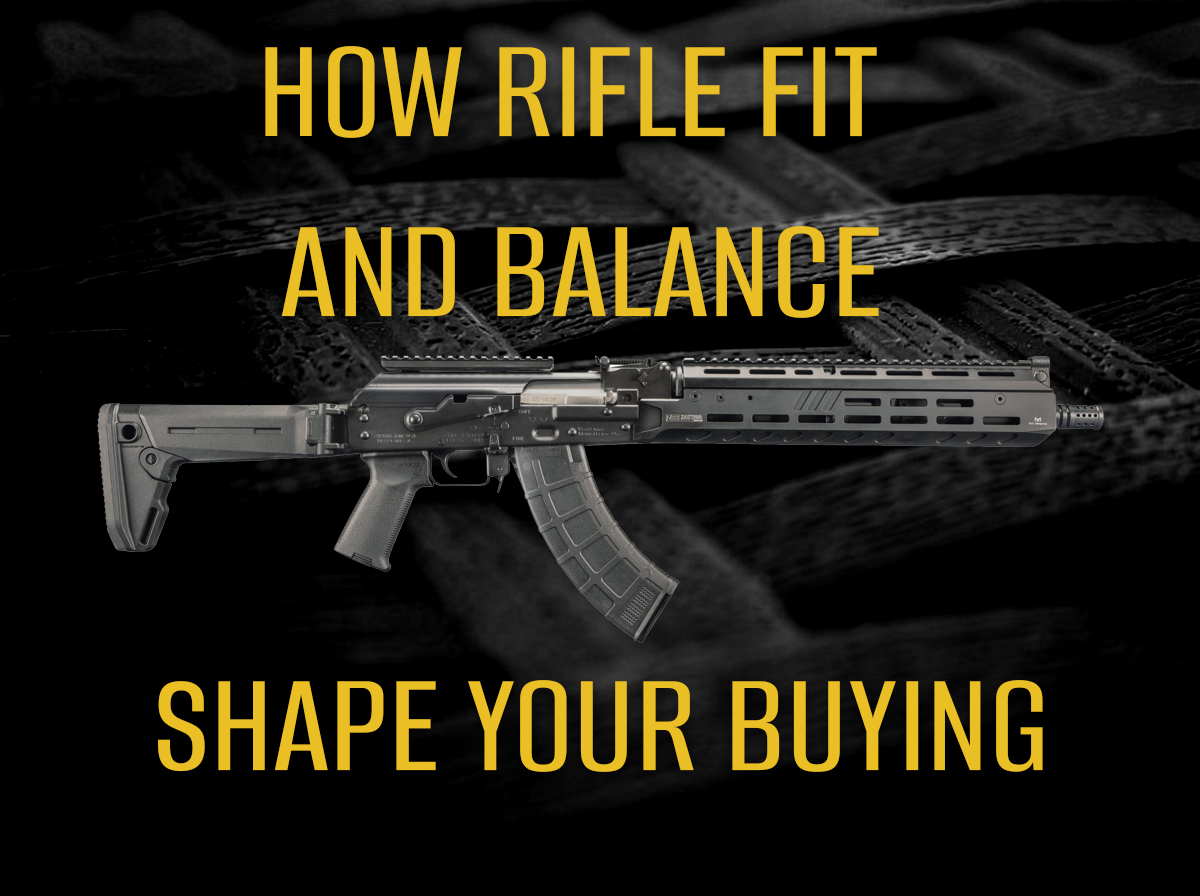
Rifle fit and balance can tell you more than a photograph ever will. Length, weight distribution, stock shape, and control placement affect how naturally an unloaded rifle sits in your hands. A model can look perfect online and still feel awkward in person. A careful dealer visit helps you compare options safely, without turning the showroom into a range or letting one dramatic accessory decide the entire purchase.
Start With the Intended Activity
Think about how long you expect to handle the rifle, the shooting positions your range supports, and the equipment you will normally wear. Fit for a short bench session may differ from fit for a longer class. Keep the intended use realistic and lawful.
Review our current Zastava rifle selection before visiting a dealer. Choose a few models that match your needs on paper. This short list makes the in-person comparison more focused and reduces the temptation to judge everything by appearance.
Ask the Dealer to Confirm the Condition
Follow the dealer’s instructions before handling any firearm. Confirm that the rifle is unloaded and keep it pointed in the safe direction the staff designates. Do not manipulate controls until the employee gives permission and explains the store’s procedure.
The dealer may use locks or other display measures that limit what you can assess. Work within those rules. A buying comparison should demonstrate responsible behavior from the first moment. If a store is busy, wait for staff rather than helping yourself to a more complete inspection.
Notice Where the Weight Sits
Two rifles with similar total weight can balance differently. One may feel heavier toward the front, while another places more weight near the receiver. Neither distribution is automatically better; comfort depends on the user and intended configuration.
Hold the rifle only as the dealer permits and for a short, controlled comparison. Avoid adding imaginary accessories to the evaluation. If you intend to use an optic or other equipment, account for its likely weight later. The bare rifle and the finished setup may feel quite different.
Check Stock Contact and Head Position
The stock should allow a repeatable, comfortable position without forcing your neck or shoulder. Clothing and protective equipment can change that impression, so consider what you normally use at the range. Do not contort yourself to make a preferred model fit.
Ask whether the configuration offers stock options we support. Confirm compatibility through our Zastava parts catalog before planning a change. A generic accessory description does not guarantee that it fits one of our specific models.
Reach the Controls Without Strain
With the dealer’s permission, note whether you can reach the safety and other controls while maintaining a safe, stable hold. The goal is not speed. You are checking whether the layout requires an uncomfortable shift or excessive stretch.
Hand size, arm length, and dominant side all influence this assessment. Another buyer’s perfect setup may not suit you. A short video review can explain a control, but it cannot lend you the reviewer’s hands. Your own safe handling comparison remains valuable.
Compare the Same Way Each Time
Use a consistent checklist for every model: overall comfort, balance, stock contact, control reach, sight alignment, and expected accessory weight. Spend a similar amount of time with each option. Write notes immediately after staff return the rifle to the counter.
Avoid declaring a winner because the first model felt unfamiliar and the second felt easier. Revisit the leading options once, if the dealer allows it. Familiarity can change quickly, and a second brief comparison often produces a more balanced judgment.
Consider Left-Handed Use
Left-handed users should pay particular attention to control reach, charging handle location, ejection path, and how accessories affect access. Ask the dealer to explain the layout without assuming that a right-handed demonstration answers every question.
Do not attempt unconventional handling inside the store to prove a point. Discuss concerns and, where possible, arrange qualified instruction at an appropriate range. Fit evaluation identifies questions; professional training helps you answer them safely in actual use.
Leave Room for Protective Equipment
Eye and ear protection can affect cheek position and comfort. Bulky clothing can change the stock contact as well. If the dealer permits it, bring the hearing protection you normally use or at least account for its dimensions in your notes.
A rifle that barely fits under ideal showroom conditions may become less comfortable once normal range gear enters the picture. Buying decisions should reflect the complete setup. The rifle does not gain extra space just because the earmuffs look smaller in the product photo.
Ask Questions Before Changing Parts
If fit is close but not ideal, ask which adjustments or parts we support for the exact model. Review our Zastava FAQs and contact us when necessary. Do not order several parts based on platform assumptions.
Rifle fit and balance deserve the same attention as caliber, price, and appearance. A calm comparison at a qualified dealer can reveal which model feels natural without compromising safe handling. The best choice is the one that fits your body, purpose, documentation, and responsible ownership plan.