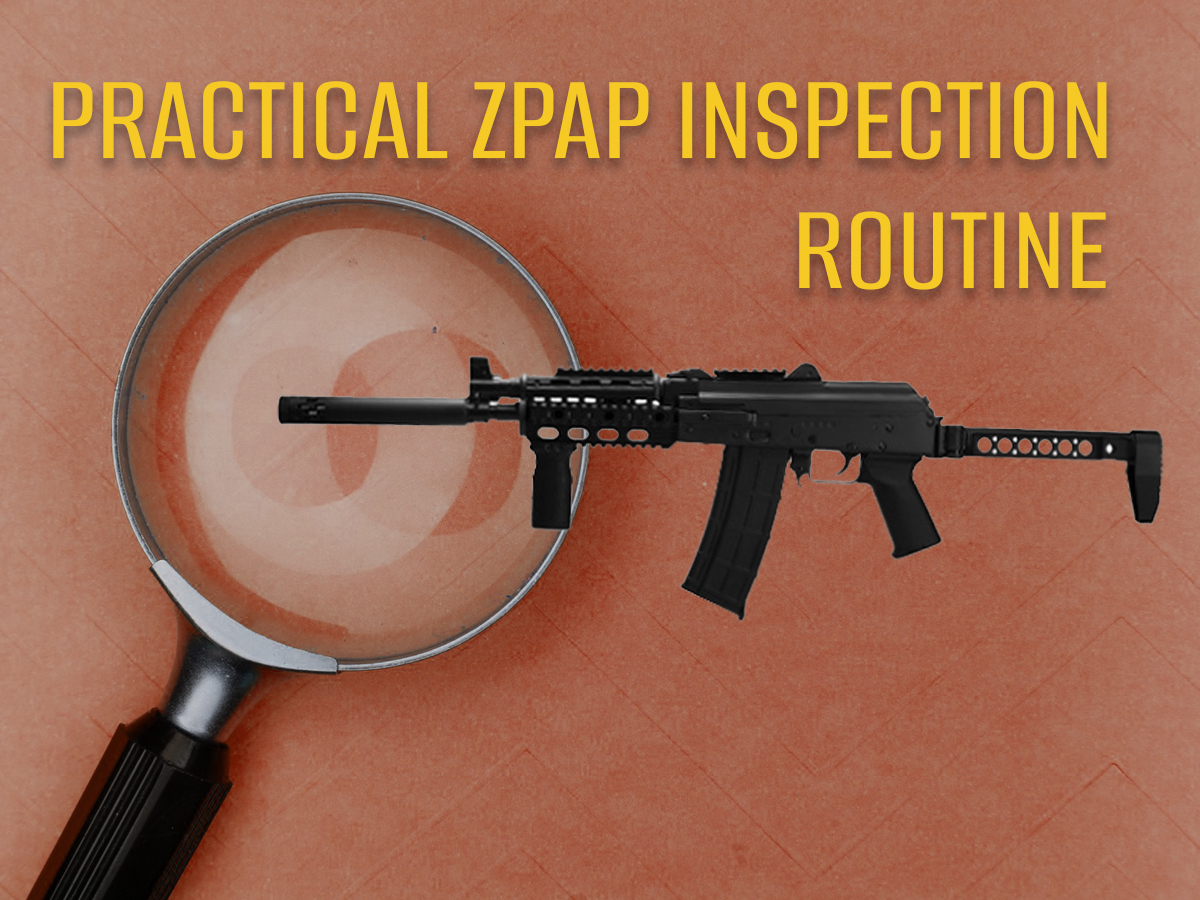
A solid ZPAP inspection routine does not need a lab coat, a dramatic flashlight, or a soundtrack with tense violin notes. It needs consistency, basic tools, safe habits, and a clear checklist. Zastava rifles already bring the rugged Serbian DNA, but even tough rifles deserve a smart owner behind them.
The goal here is simple: keep your ZPAP clean, checked, documented, and ready for the next range trip. Zastava’s own manual stresses safe handling, correct ammunition, and proper maintenance before use, so your routine should start with those basics every single time.
Start With the Safety Check
Every ZPAP inspection routine starts with one rule: confirm the rifle sits completely unloaded. Remove the magazine, open the action, and check the chamber. Then check it again, because no one ever regretted one extra safety check.
Keep the muzzle in a safe direction. Keep your finger away from the trigger. Use a clear bench with no live ammo on it. This makes the rest of the process calmer, cleaner, and less “why is there a cartridge under my elbow?”
Zastava’s safety guidance places responsibility on the owner, and that belongs at the top of the checklist.
Keep the Right Tools on the Bench
A practical ZPAP inspection routine needs a short tool list. You do not need to turn your workbench into a spaceship cockpit.
Use a clean mat, good light, cotton patches, a cleaning rod, a nylon brush, gun-cleaning solution, and proper oil. Zastava’s maintenance content mentions core items such as a cleaning rod, lubrication brush, cotton flannel patches, lubrication oil, and gun-cleaning solution for powder deposits.
For lubrication and protection, ZastavaArms also offers DRNCH Gun Oil, which supports a simple clean-lubricate-protect routine. That keeps the process easy, which means you will actually do it. Amazing how that works.
Inspect the Exterior First
Start your ZPAP inspection routine with the outside of the rifle. Look over the receiver, dust cover, stock, handguard, grip, sling points, muzzle device, and sights.
You want to spot loose hardware, grime, dry spots, or anything that looks out of place. Do not overthink normal finish marks or honest use. A rifle that goes to the range will not look like a museum spoon forever, and that is perfectly fine.
If you own a ZPAPM70, this exterior check helps you stay familiar with the rifle’s fit, feel, and normal character. The more you know your rifle, the faster you spot small changes.
Check the Dust Cover and Recoil Spring Fit
The dust cover, rear button, and recoil spring assembly all work together. During your ZPAP inspection routine, confirm that the dust cover sits in place and that the rear button protrudes properly through the opening.
ZastavaArmsUSA’s own dust cover guidance explains that small movement does not automatically mean trouble. The key point: the recoil spring assembly must seat correctly, and the cover must stay secure during normal handling.
Remove and reinstall the cover with care. If something feels off, slow down and reseat the parts. Do not force parts like a cartoon mechanic with a hammer and a bad idea.
Field Strip With a Simple Pattern
A useful ZPAP inspection routine should include a basic field strip after range use or at regular intervals. Remove the dust cover, recoil spring assembly, bolt carrier, and bolt according to the manual and Zastava guidance.
ZastavaArmsUSA’s extractor and ejector content describes the quick ZPAP field strip flow: dust cover, recoil spring, carrier and bolt, then rotate the bolt out of the carrier.
Keep parts in order on the bench. That small habit saves time and prevents the classic “where did that go?” moment, also known as the national anthem of messy workbenches.
Inspect the Bolt, Extractor, and Ejector
The bolt deserves close attention in any ZPAP inspection routine. Look at the bolt face, extractor claw, and surrounding areas. Carbon and fouling love tight spaces, because apparently dirt has hobbies.
Check the extractor area for debris. Make sure the claw area looks clean and moves as it should. Then inspect the ejector area inside the receiver. ZastavaArmsUSA specifically points owners toward extractor and ejector checks as part of practical Zastava AK care.
You do not need drama here. You need light, patience, and a clean patch or brush.
Look at the Bore and Chamber
A strong ZPAP inspection routine includes the bore and chamber. Use proper light and safe handling. Look for visible fouling, residue, or anything that should not sit inside the barrel.
Clean with the correct rod, patches, and solvent. Follow the manual and use products meant for firearms. Skip random household chemicals. Your rifle does not need a kitchen-sink science experiment.
After cleaning, run dry patches as needed, then apply light protection where appropriate. More oil does not equal more love. Too much oil attracts grime, and grime treats excess oil like an all-you-can-eat buffet.
Check Lubrication Points
Your ZPAP inspection routine should include a simple lube check. Look at moving contact points, rails, bolt carrier surfaces, and areas that show normal friction.
ZastavaArmsUSA publishes maintenance content that supports practical lubrication and cleaning habits for ZPAP owners, including posts on rust prevention and range-day care.
Use a light, controlled amount. The rifle should feel smooth, not soaked. If oil drips like a leaky sandwich, wipe it down.
Inspect Magazines, Ammo, and Range Gear
A good ZPAP inspection routine does not stop at the rifle. Check your magazines for clean feed lips, smooth follower movement, and obvious dirt. Wipe exterior surfaces and keep them stored in a dry place.
Also inspect ammunition before range use. Zastava’s manual warns against improper or damaged ammunition, and ZastavaArmsUSA’s break-in guidance reinforces the need to skip dirty, wet, corroded, bent, or damaged cartridges.
This step takes seconds and saves headaches. Think of it as the bouncer at the door: bad rounds do not get in.
Add a Post-Range Mini Checklist
A post-range ZPAP inspection routine should stay short enough that you actually do it before the post-range snack coma hits.
Use this simple pattern:
- Confirm the rifle is unloaded.
- Wipe exterior surfaces.
- Field strip the rifle.
- Check bolt, extractor, ejector, chamber, and bore.
- Clean fouling from key areas.
- Apply light lubrication.
- Reassemble and function check according to safe handling rules.
- Note round count and any observations.
That last point matters. A notebook, spreadsheet, or phone note works fine. Record date, round count, ammo type, cleaning notes, and any parts you checked.
Build a Monthly Inspection Habit
Even if your rifle did not visit the range, a monthly ZPAP inspection routine helps protect it during storage. Check for dust, dry spots, moisture, and surface grime. Open the case or safe and let your eyes do some work.
ZastavaArmsUSA highlights long-term care for M70 and PAP models, with focus on preservation, cleaning, and respect for the platform’s legacy.
If you store your ZPAP for longer periods, check it more often during humid seasons. Moisture acts like that one guest who never leaves and always causes trouble.
Final Thoughts
A great ZPAP inspection routine does not need to feel complicated. Safety check first. Inspect the outside. Field strip with care. Check the bolt, extractor, ejector, chamber, bore, lubrication, magazines, and ammo. Write down what you did.
That habit keeps your Zastava rifle clean, familiar, and ready for the next trip. It also turns maintenance from a vague “I should do that sometime” chore into a quick ritual. Your ZPAP brings the rugged Zastava character. Your routine keeps that character sharp, clean, and ready to perform.