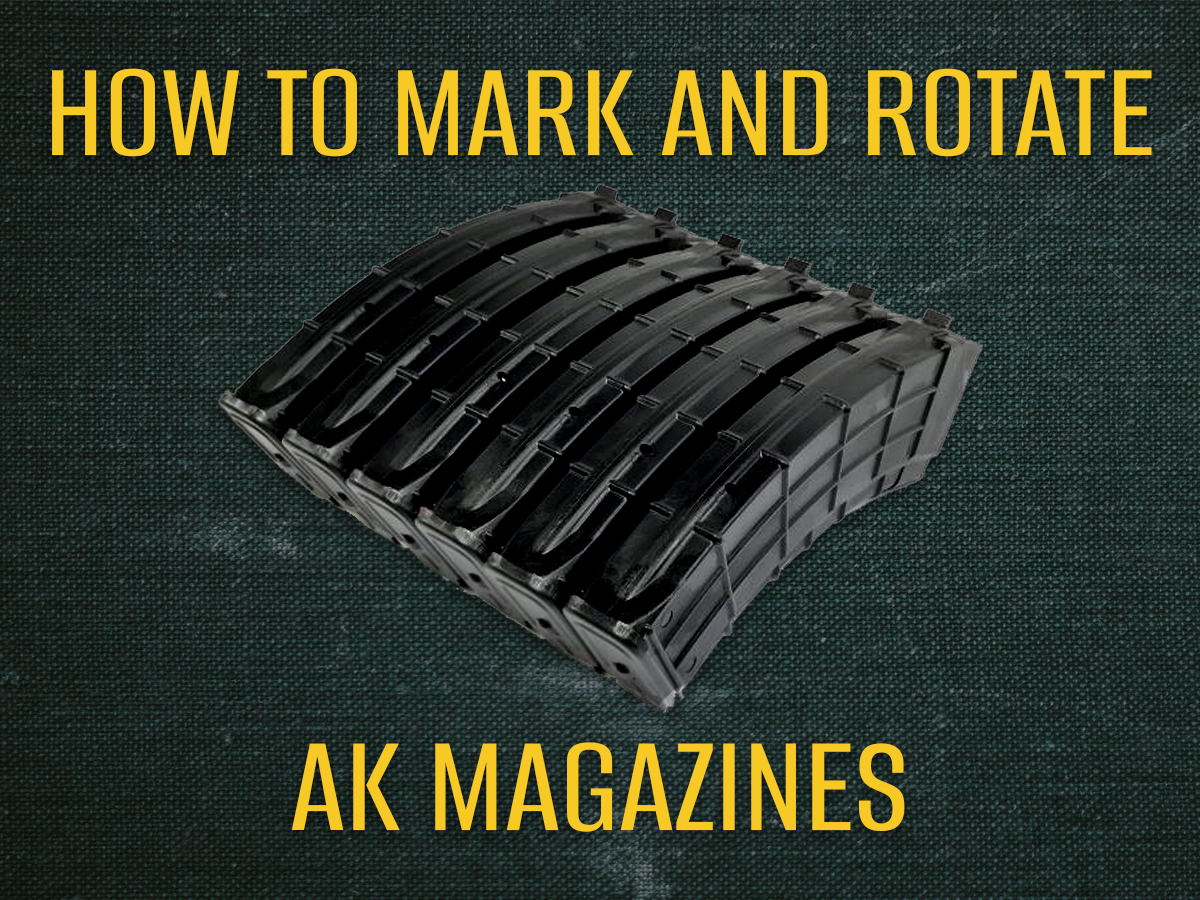
If you want a simple habit that saves time at the range and helps you catch small issues before they grow teeth, learn how to mark and rotate AK magazines.
It is not fancy. It is not tactical wizardry. It is just a smart organization. A clear system helps you track which magazine runs best, which one needs inspection, and which one deserves a break after heavy use.
With dependable Zastava rifles and factory magazine options, this process stays easy and practical.
Why You Should Mark and Rotate AK Magazines
Many owners treat magazines like socks in a laundry basket. They toss them together, grab one at random, and hope for the best. That method works right up until one magazine starts to act up, and you have no clue which one caused the problem.
When you mark and rotate AK magazines, you create a record without a spreadsheet nightmare. You can identify a magazine in seconds, test it with purpose, and build trust in your setup.
Zastava Arms offers several proven magazine options, including the AK47 Magazine Made In Serbia, the AK47 Polymer Magazine, and the Serbian 7.62 Polymer 40 Rd Magazine, all built around reliability-focused features such as strong bodies, quality followers, and bolt hold open components on certain models.
Start With A Simple Identification System
Do not overcomplicate this. You do not need military inventory software or a label printer that costs more than ammo.
Use a simple numbering system:
- 1, 2, 3, 4, 5
- A1, A2, A3
- Range 1, Range 2, Range 3
Pick one format and stick with it. Put the mark in the same area on every magazine. The baseplate works well. The lower rear body also works well if the mark stays visible during use.
Use a paint marker, oil marker, or other durable method that does not rub off after one range trip, and a little disappointment.
The goal is obvious identification. You should spot the number fast, log performance fast, and move on with your day.
What Information To Track
When you mark and rotate AK magazines, the mark itself does only half the job. The other half comes from the notes you keep. Good news: your notes can stay short.
Track:
- magazine number
- date used
- ammo type
- rifle used
- round count estimate
- any issue you noticed
That is enough. You do not need to write a novel titled The Emotional Journey of Magazine Number 4. Just note facts. If magazine 3 fails to feed twice with the same ammo, you have useful data. If magazine 5 runs perfectly across several range sessions, that matters too.
This method fits especially well if you already document your gear. Zastava even recommends organized recordkeeping in its guide on how to document your Zastava collection.
How To Mark Different Magazine Types
Steel and polymer magazines both work fine with a marking system. You just want the mark to stay readable.
For steel magazines, a paint pen or industrial marker on the baseplate usually works well. For polymer magazines, a paint marker stands out clearly and stays easy to read. Keep the mark small but visible. You are not decorating a race car.
If you own multiple Zastava-compatible magazine types, separate them by category first. For example:
- S1 to S5 for steel
- P1 to P5 for polymer
- 40-1 to 40-3 for 40-round magazines
That structure helps when you compare performance across setups. It also prevents the classic range moment where you stare at a pile of mags and pretend you definitely know which one was the weird one.
Build A Rotation Schedule That Makes Sense
The whole point of mark and rotate AK magazines is even use. You do not want one favorite mag to do all the work while the others sit around like unpaid interns.
A simple rotation looks like this:
- Trip 1: use mags 1 through 3
- Trip 2: use mags 4 through 6
- Trip 3: mix the whole group and confirm consistency
If you keep some magazines loaded for storage or readiness, rotate those too. Swap them out on a regular interval, inspect them, and confirm function during live-fire sessions when legal and appropriate for your situation. A calm, repeatable schedule beats random guessing every time.
What To Inspect During Rotation
Every time you rotate, look at the magazine before you load it. This takes about a minute and can save you a lot of head-scratching later.
Check:
- feed lips for bends, cracks, or odd wear
- follower movement for smooth travel
- spring tension for consistent upward pressure
- baseplate security
- locking surfaces for unusual wear
- body for dents, swelling, or damage
Zastava’s magazines have steel reinforcement, military-grade construction, and quality springs and followers, which gives you a strong starting point. Regular inspection helps you keep those magazines at their best.
Keep Your Rotation Practical, Not Paranoid
You do not need to treat every magazine like a museum artifact. AK magazines exist to work. Use them. Train with them. Test them. Just do it with a little structure.
A practical system looks like this:
- mark every magazine
- group them by type or caliber
- rotate usage evenly
- log any issue right away
- inspect them during cleaning and reload prep
- retire or repair only when the evidence says so
That last part matters. One rough reload or one muddy range day does not turn a good magazine into a villain. Look for patterns, not drama.
The Best Part Of This Habit
Once you mark and rotate AK magazines, your gear stops feeling random. You know what you own. You know what you trust. You know what needs a second look. That is a great place to be.
Zastava Arms gives AK owners a strong foundation with dependable rifles, factory magazine options, and useful support content that makes routine care and organization much easier.
A paint marker, a simple rotation plan, and a few notes can turn your magazine pile into a system that actually works. That is not glamorous, but it is smart. And smart gear habits usually beat cool-guy chaos by a mile.