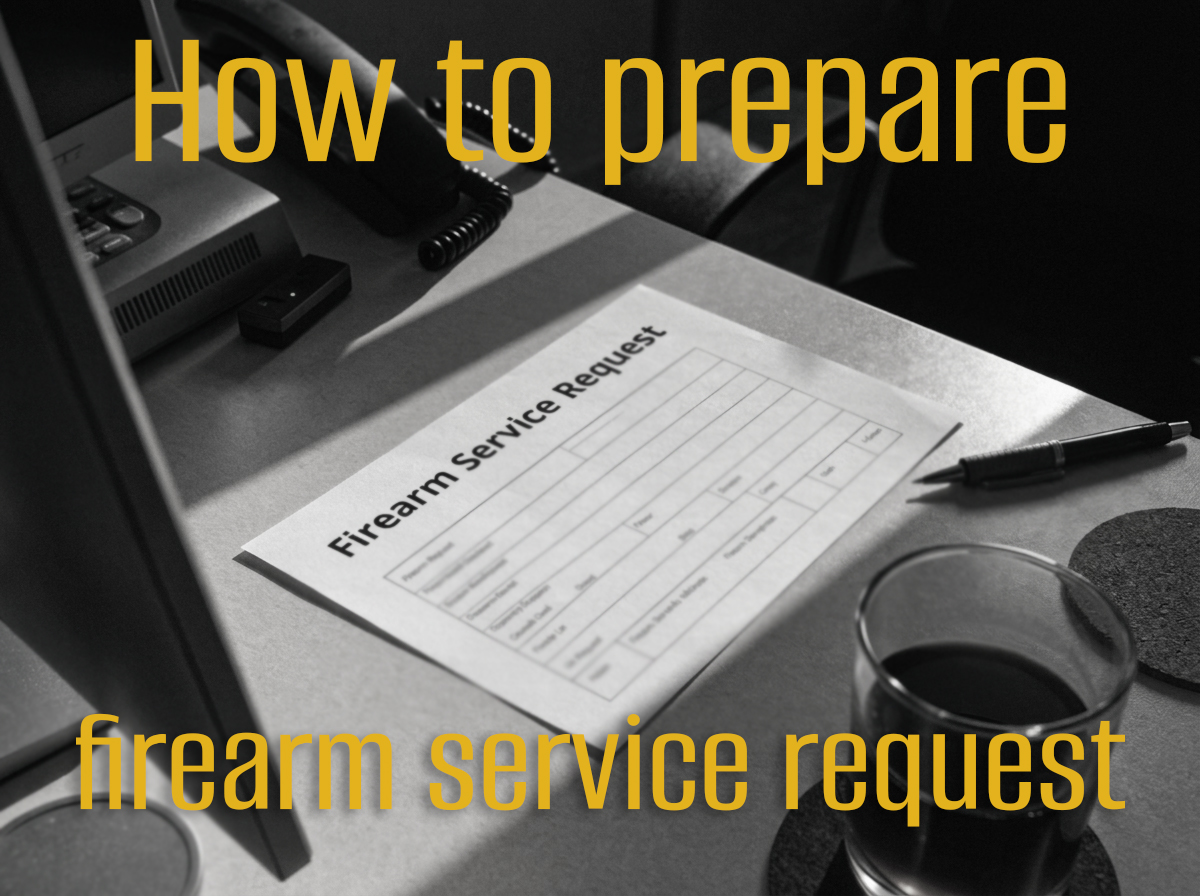
A useful firearm service request starts with clear observations. A model name, a brief description, and a few relevant photos give our support team much more to work with than “something seems weird.” You do not need a gunsmith’s vocabulary or a documentary crew. You need accurate details, safe habits, and a little organization. That preparation helps the conversation move toward the right next step.
Put Safety Before the Description
If you suspect a safety problem, stop using the firearm and seek professional guidance. Do not repeat a malfunction to create a better story or video. Follow the firearm’s manual for safe handling, and keep ammunition separate from your inspection area.
If you cannot safely clear the firearm, stop and contact a qualified professional. Explain that condition before any handling or transport. Your message to us should help resolve uncertainty. It should never require you to recreate a situation that already made you uncomfortable at the range.
Identify the Exact Model
Write down the complete model designation instead of a broad description such as “my AK.” Similar names and appearances can conceal important differences. Include purchase information and the identifying details requested through our official support channel.
Our contact page provides the current route for maintenance and general inquiries. Use that channel for private information rather than posting a serial number across public forums. Keep your receipt available, but do not attach unrelated financial documents. Send the information that helps us identify the product and understand your request.
Describe What You Observed
Separate the symptom from your theory about its cause. “This part moved when I noticed it” gives our technician an observation. “The factory installed the wrong component” presents a diagnosis you may not be able to support.
Explain when you first noticed the issue and whether it appeared suddenly or gradually. Use plain language if you do not know a component’s name. A marked photo can identify a location more clearly than an impressive technical term applied to the wrong part. Precision matters more than vocabulary.
Add a Short Timeline
Arrange relevant events in order. Include the approximate purchase date, when you first noticed the concern, and any service or changes that preceded it. If you estimate use or dates, label them as estimates.
A short timeline helps prevent repeated questions. It also keeps unrelated details from taking over the message. Our support team probably does not need the weather forecast from every range trip. We may need to know that the concern appeared immediately after an accessory change. Include that fact without assuming it proves the cause.
Take Photos That Answer a Question
Only photograph the firearm once you can do so safely. Choose good light, a plain background, and a steady camera position. Include one wider image for orientation and a closer image of the area you want to discuss.
Avoid filters and heavy edits that change the appearance of surfaces. If a marking matters, make it readable through our private support channel. Do not disassemble beyond the manual’s instructions to obtain a more dramatic angle. A clear photo of an accessible area beats a blurry photo of an unnecessary teardown.
Disclose Relevant Changes Honestly
Mention accessories, replacement parts, prior repairs, or other changes that may help our technician understand the firearm’s current configuration. Do not hide a change because you worry that it complicates the conversation. Accurate information helps us assess what to ask next.
Review the current warranty policy rather than assuming every service request follows the same conditions. Coverage depends on the applicable terms and the specific case. A blog article cannot determine eligibility, promise a free repair, or replace our assessment of the information you provide.
Use a Simple Message Structure
Start with the model and the reason for contact. Follow with the symptom, the date you first noticed it, relevant configuration details, and a list of attachments. Finish with one clear question, such as whether we recommend an inspection or requires additional information.
Give the message a descriptive subject line. Keep replies in the same thread so the history remains together. If you remember an important fact later, add a concise correction. A tidy thread is easier to review than several separate messages with different versions of the same story.
Wait for Return Instructions
Do not send a firearm or component merely because you have submitted a request. Ask whether a return is necessary and follow our current instructions for authorization, contents, packaging, and the appropriate process. Confirm any applicable carrier requirements before dispatch.
Save the correspondence and any reference number. Use our frequently asked questions for general background, while allowing our support team to address your specific case. Procedures can differ by product and circumstance, so another owner’s experience should not become your return instruction sheet.
Make the Next Step Easy to Understand
Before you send, check model names, dates, attachments, and contact information. Remove guesses that look like facts. Make sure we can understand your concern without a follow-up request to explain the opening sentence.
A clear firearm service request supports a calmer, more useful exchange. It does not guarantee a particular diagnosis, repair cost, or response time. It does give our team an organized starting point. That is a practical ownership habit, and it takes far less effort than a week of forum detective work.