A shoulder holster can feel like old-school cool, but it also needs a smart setup.
If you want to learn how to set up a shoulder holster without turning your carry routine into a circus act, start with fit, retention, and clean draw mechanics.
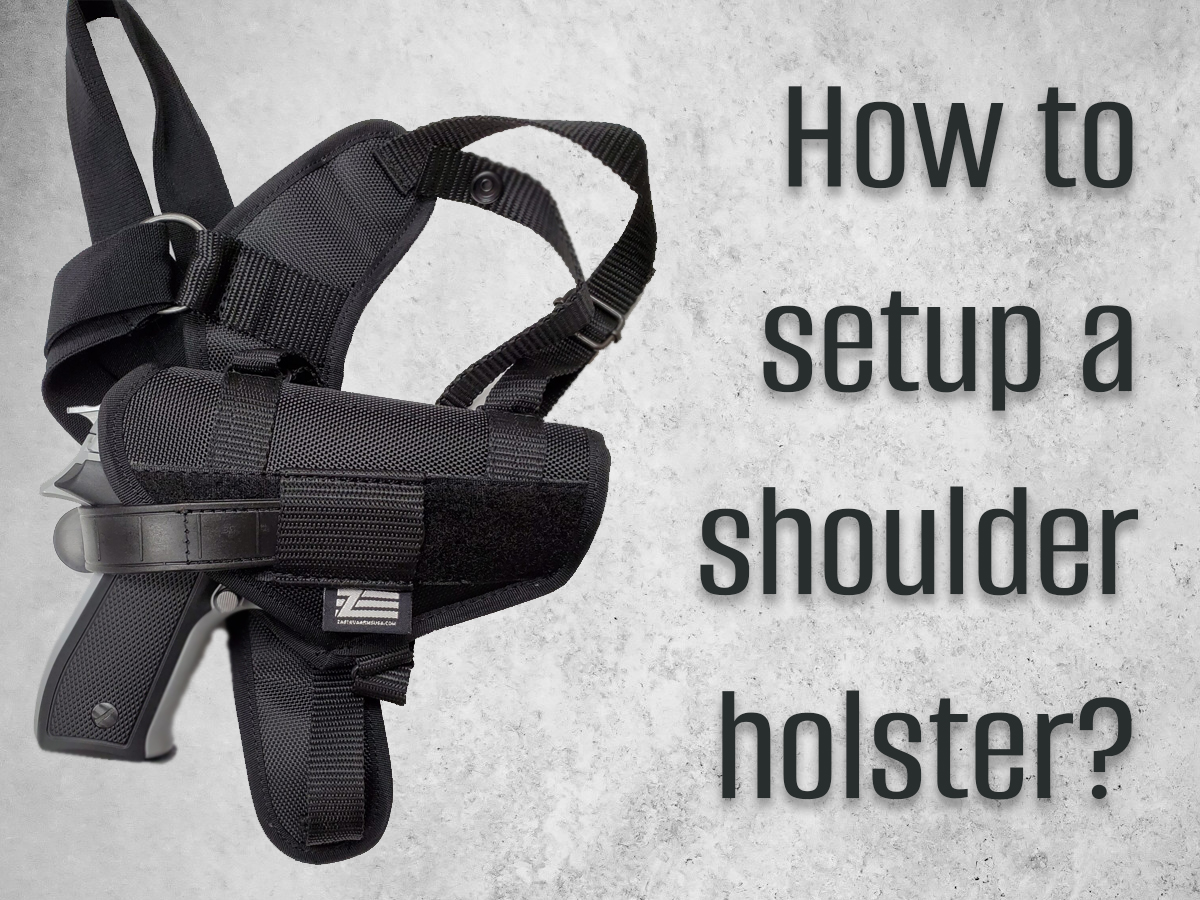
Zastava Arms USA offers factory-fit shoulder holsters for the CZ99/CZ999/EZ9 family and for the M57A/M70AA/M88A family, with adjustable straps, thumb-break retention, and convertible belt-holster capability on these models.
Start With The Right Holster For The Right Pistol
The first rule of how to set up a shoulder holster is not glamorous, but it saves headaches: match the holster to the pistol.
Zastava Arms USA lists a dedicated Shoulder Holster CZ99/CZ999/EZ9 for CZ99, CZ999, and EZ9-size handguns, and a Shoulder Holster M57A/M70AA/M88A for the M57, M57A, M70AA, and similar models.
Both use adjustable shoulder straps, a quick-access thumb break, and a design based on law-enforcement and military specs. That matters because a proper fit keeps the gun stable, helps protect the trigger area, and gives you the same grip angle every time.
A good holster should fully cover the trigger guard, hold the pistol in a repeatable position, and let you establish a full firing grip before the draw. That is not marketing fluff. That is the difference between smooth and sloppy.
Adjust The Harness Before You Ever Holster The Pistol
If you skip this step, the rest turns into guesswork with straps. When you work through how to set up a shoulder holster, start with the empty holster and adjust the harness while you wear your usual cover garment.
The Zastava shoulder holsters use adjustable shoulder straps, so set them high enough to keep the pistol tucked close to the body, but not so high that the grip jams into your ribs or armpit like it wants revenge.
The holster should sit flat across your shoulders. The pistol side should feel balanced, not like it is trying to drag your jacket into another zip code. Keep the harness snug enough to control movement, but not so tight that it restricts reach or prints through clothing.
If the rig shifts every time you breathe, laugh, or turn, it needs more adjustment. If it feels like medieval armor, loosen it a little. You want stable, not miserable.
Set The Ride Height For Control And Access
A big part of how to set up a shoulder holster comes down to ride height. The pistol should sit where you can reach it cleanly, pull the retention strap without fumbling, and draw in one controlled motion. Too low, and the rig swings. Too high, and the draw turns awkward fast.
With Zastava’s shoulder designs, the goal is simple: position the handgun so the grip stays easy to acquire and the holster stays close to the torso. Repeatable access and a full firing grip before the gun leaves the holster. That makes ride height a real safety issue, not just a comfort preference.
Test your setup while standing, walking, sitting, and reaching for common items. If the gun digs into your side in a chair, prints badly under a jacket, or forces your wrist into a weird angle, adjust again.
Good holster setup rarely arrives on the first try. It arrives after small corrections and less ego.
Confirm Retention Without Fighting The Gun
Retention should secure the pistol, not start a wrestling match. Zastava’s shoulder holsters use a quick-access thumb break, which gives you security and a clear release method. Once you place the unloaded pistol in the holster, confirm that the thumb break closes fully and releases cleanly under deliberate pressure.
This step matters because safe carry depends on two things at once: the gun stays put when you move, and it comes free when you need a controlled draw.
Shake the holster lightly while unloaded. Walk around. Bend carefully. Sit down. Stand up. If the pistol shifts too much, revisit strap tension and holster position. If the thumb break feels awkward, adjust the rig so your hand meets it naturally.
A proper setup should feel predictable. Predictable gear builds consistent habits. Unpredictable gear builds colorful language and bad draws.
Practice The Draw With An Unloaded Pistol
You cannot really learn how to set up a shoulder holster unless you test the draw. Do that with an unloaded pistol, in a safe direction, with no live ammunition in the practice area. Build the sequence the same way every time: clear the cover garment, establish a full grip, defeat the thumb break, draw smoothly, and keep the muzzle under control through the motion.
That last point deserves respect. Shoulder holsters demand discipline because the draw path crosses more space than a belt holster draw. Slow practice helps you clean up the angle, reduce wasted motion, and keep the gun from sweeping areas it should not sweep. Zastava’s emphasis on full firing grip, trigger-guard coverage, and secure retention supports exactly this kind of consistent practice.
Run the same sequence until it feels boring. Boring is good. Boring means repeatable. Repeatable means safer.
Dress Around The Rig, Not Against It
A shoulder rig does best with the right outer layer. Light shirts that cling to every contour will not help. A jacket, overshirt, or structured outer garment usually gives better concealment and easier access.
Also, check where your garment hem lands when you move. Some people set up a perfectly good rig and then cover it with a jacket that tangles around the grip like it has personal issues. Test the setup with the exact clothes you plan to wear. Reach, sit, drive, and turn. If the garment blocks access, change the clothing or tweak the holster position.
A carry system is only “concealed” if you can still reach it without drama.