Bad habits rarely announce themselves. They sneak into range sessions, settle into your stance, and quietly make each group look a little less impressive. The good news? You can spot and correct most bad habits in shooting routine with a clear plan, honest target review, and a few simple checks.
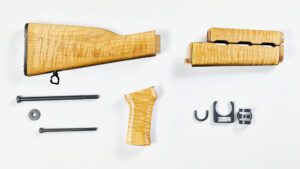
A dependable rifle such as the ZPAPM70 gives you a solid platform for that process. Your job involves consistent technique, careful observation, and enough patience to resist blaming the target for “personal reasons.”
Start Every Session With a Clear Goal
A vague goal such as “shoot better” offers little help. Choose one skill for each range trip. You might focus on trigger control, stance, sight alignment, grip pressure, or slow follow-up shots.
This approach makes bad habits in shooting routine easier to see. If you change your stance, grip, pace, distance, and ammunition at once, you create too many variables. Keep the setup consistent and examine one skill at a time.
The official guide to Zastava AK shooting drills for new owners offers several simple drills that can help you establish a useful baseline.
Watch What Happens Before Each Shot
The shot itself tells only part of the story. Pay attention to the final second before the trigger breaks. Do your shoulders tense? Does your firing hand squeeze harder? Do the sights dip or drift?
These movements often reveal recoil anticipation or excess tension. Slow down and let the sights settle. Use a firm but comfortable grip. Press the trigger straight to the rear without a sudden jab.
Your rifle does not need encouragement, a countdown, or an inspirational speech. It needs a smooth trigger press and a stable sight picture.
Compare Your Setup From Shot to Shot
Inconsistent body position ranks among the most common bad habits in shooting routine. Place the stock in the same shoulder position each time. Keep your cheek contact consistent and use the same grip pressure.
Small changes can affect sight alignment and point of impact. Your feet also matter. If you shift them after every shot, your upper body must solve a new balance problem each time.
For practical posture advice, review these standing position shooting tips from Zastava Arms USA.
Let the Target Tell the Truth
Do not judge a session from one dramatic flyer. Fire slow, deliberate groups under the same conditions. Mark each group and note the distance, position, ammunition, and pace.
Look for repeated patterns. A group that constantly spreads after the first few shots may point to fatigue, lost focus, or a faster pace. A sudden shift may come from a change in cheek contact or grip.
The target acts like that brutally honest friend who means well but refuses to flatter you.
Check Your Pace Before You Add Speed
Speed can hide bad habits in shooting routine. Start each session with a slow confirmation group. Concentrate on stance, sight picture, breath, and trigger control. Add pace only after you produce consistent results.
Many shooters rush because the rifle feels comfortable. Comfort helps, but control must lead. A steady first magazine establishes a useful rhythm and gives you a reliable comparison for later groups.
The article on common range mistakes that intermediate shooters can fix quickly explains why a calm start can improve the entire session.
Use Safe Dry Practice as a Diagnostic Tool
Safe dry practice lets you examine trigger control without recoil or muzzle blast. Remove the magazine, open the action, and verify an empty chamber. Keep all live ammunition outside the practice area and maintain a safe muzzle direction. Follow the owner’s manual for your exact Zastava model.
Aim at a safe practice target and press the trigger. Watch the sights. If they jump, dip, or slide sideways, adjust your grip and finger position. Short sessions work best because tired practice can reinforce the exact habit you want to remove.
Zastava’s dry-fire and at-home practice guide provides a structured safety-first approach.
Record Facts Instead of Impressions
Memory loves a good story. Data prefers facts. Keep a small range notebook and record group size, distance, position, pace, and the skill you practiced.
Add one short note after each group. Write “rushed trigger,” “good cheek contact,” or “lost focus after five shots.” These notes expose bad habits in shooting routine across several sessions.
Use the simple plan-shoot-record-review-repeat method from Shooting Progress Tracking Without Overcomplicating It. You do not need a spreadsheet that looks ready for NASA.
Ask for a Second Set of Eyes
A qualified instructor or experienced range partner can notice movements that you cannot feel. Ask that person to watch your stance, grip, trigger press, and follow-through. If range rules allow it, record a short video from a safe position.
Review only one detail at a time. Too much advice at once creates confusion. Correct one habit, confirm the result, and then move to the next item.
Build a Better Routine One Habit at a Time
The easiest way to remove bad habits in shooting routine involves a simple loop: choose one goal, fire a careful group, review the target, write a note, and repeat. Keep safety at the center of every step.
A reliable Zastava Arms USA platform gives you the consistency and confidence to focus on your technique. Stay patient, trust the process, and let each range trip answer one clear question. Soon, those mystery flyers will have far fewer places to hide.