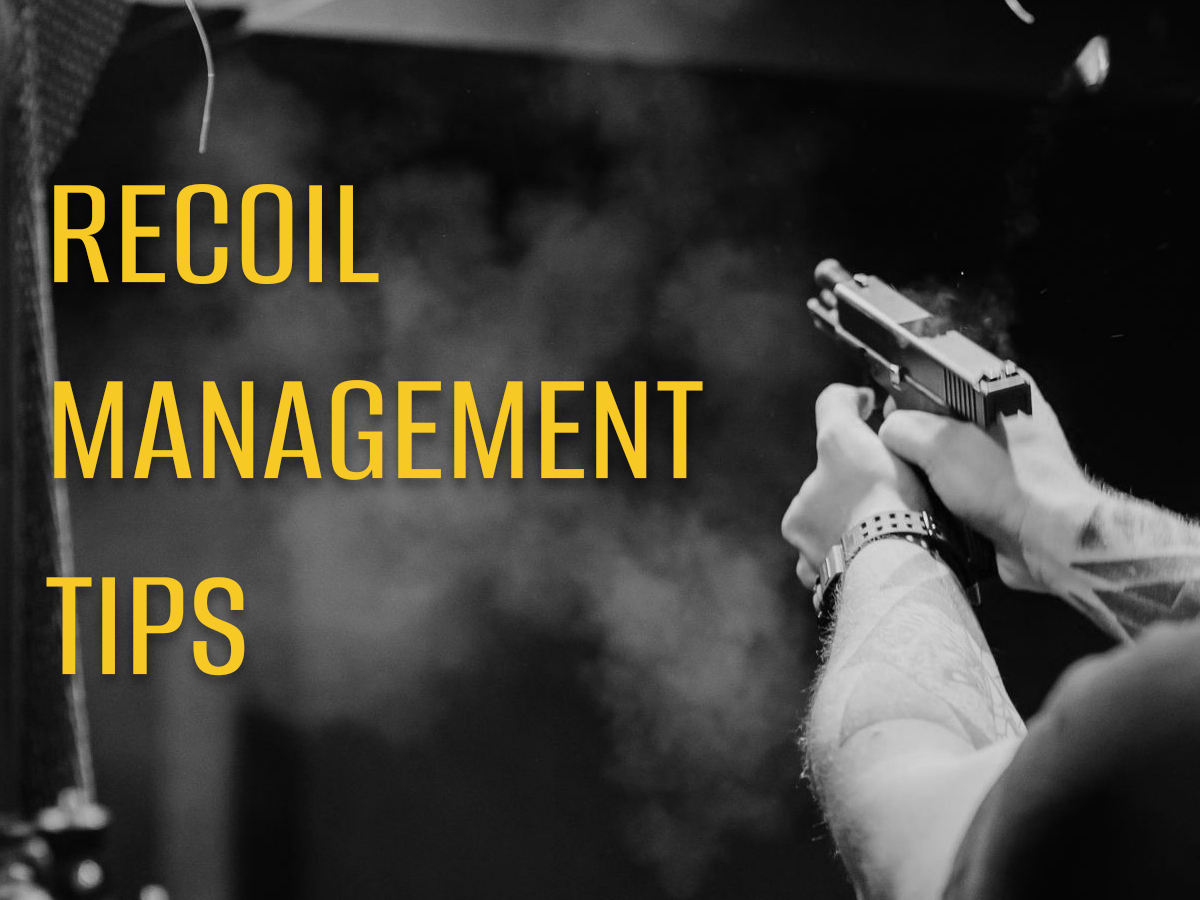
Recoil tests consistency more than strength. Intermediate shooters often know the fundamentals yet lose control as the pace rises. Good recoil management tips help you guide the rifle, recover the sights sooner, protect accuracy, and reduce fatigue.
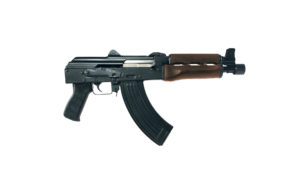
You need no death grip or action-hero grimace. The ZPAPM70 offers a solid base. Zastava lists it with 7.62x39mm caliber, a 16.3-inch barrel, a 7.9-pound weight, and a 1.5mm bulged-trunnion receiver. Use that sturdy platform well, and let sound technique handle the rest.
Start With a Balanced Athletic Stance
Place your feet about shoulder-width apart, move the support-side foot slightly forward, and keep a gentle bend in both knees. Shift your weight toward the balls of your feet without a dramatic lean. Your nose should sit roughly above your toes.
This posture lets your body accept the rearward force. A stiff, upright pose sends your shoulders backward and makes the sights take a scenic tour. Zastava’s stance guide provides more detail on a stable, repeatable position.
Seat the Stock Firmly and Consistently
Place the stock against the firm pocket between your chest and shoulder, not on the shoulder’s outer edge. Pull it snugly into that pocket before each shot. Firm contact keeps the rifle tight against your body and reduces the sharp slap that many shooters mistake for heavy recoil.
Mount the rifle in the same spot each time. Zastava’s guide to ZPAPM70 stock fit explains how stock length, cheek position, and balance support comfort and consistency.
Use Purposeful Pressure With Both Hands
Your primary hand should hold the grip firmly without crushing it. Excess tension can pull the sights sideways and make a smooth trigger press harder.
Use the support hand to draw the rifle toward the shoulder. Keep that elbow in a natural position and avoid a loose grip. Think “secure and repeatable,” not “open a stubborn pickle jar.” Your hands should control the rifle while your shoulders stay relaxed enough to move naturally. This balance ranks among the most useful recoil management tips.
Keep Your Head Connected to the Rifle
Place your cheek on the stock with firm, comfortable contact. A repeatable cheek position gives you the same sight picture after each shot. If your face floats above the stock, recoil can break your visual reference and delay the next accurate shot.
Bring the rifle to your eyes instead of dropping your head. Zastava’s article on AK ergonomics covers stock position, hand placement, optic height, sling setup, and comfort.
Watch the Sights Through the Shot
Strong recoil control does not freeze the rifle. The muzzle will move. Your job is to make that movement predictable and guide the sights back toward the target.
Keep your eyes open and note the direction of sight movement. If the sights rise and return near the same point, your stance and pressure work well. If they jump to one side, check shoulder contact and uneven hand pressure. The sights provide honest feedback, even if they lack bedside manners.
Match Trigger Control to Sight Recovery
Press the trigger straight to the rear without a sudden jab. Maintain control as the sights move, then let the trigger travel forward only as much as the platform and safe drill require.
Do not rush another shot because the first one felt good. Confirm that the sights return to the intended target area. Zastava’s AK range drills place accuracy before speed and offer a clear structure for deliberate practice.
Build Control With Short, Measured Strings
Use three- or five-shot strings at a comfortable distance. Start with one slow group. Next, use a steady cadence, but fire only after the sights return. Compare group size and location. If the group expands sharply, reduce the pace and restore clean technique.
Repeat the drill with one adjustment, such as firmer stock pressure or a stronger support-hand pull. Change only one variable at a time. This rule turns recoil management tips into evidence, not guesswork. It also keeps your range notebook out of the detective-novel business.
Let the Setup Support Good Technique
Your Zastava should fit your body and range use. Confirm that the stock, grip, handguard, sights, and accessories allow a natural mount and clear sight picture. The ZPAPM70 accessories section offers compatible Zastava options for fit and function.
Before each session, inspect the rifle according to its owner’s manual and confirm that all accessories remain secure. Wear eye and ear protection, follow every range rule, and stop if any firearm or ammunition condition seems abnormal.
Turn Recoil Management Tips Into a Routine
After each trip, record the distance, ammunition, group size, stance, grip pressure, and one lesson. Set one goal for the next visit. Small, measured changes provide more value than random speed.
The best recoil management tips rely on balance, firm stock contact, purposeful hand pressure, a repeatable cheek position, smooth trigger control, and honest sight feedback. Apply those habits to your Zastava Arms rifle, and recoil becomes useful information rather than an unwelcome surprise.