“Blem” sounds dramatic, like the part survived a bar fight and now needs to talk about it. In reality, it usually means something much less exciting. Blem items are products that may have minor imperfections, blemishes, or finish wear, and many of those listings also note that all sales are final. That tells you the core idea right away: you often look at cosmetic issues, not a mystery box of doom.
If you approach buying blem parts with a clear head, you can score excellent factory-source Zastava components, save money, and still end up with a setup that looks sharp and works exactly as it should. The trick is simple: know what “blem” usually means, read the product page like an adult, and buy the right part for the right job.
What “Blem” Usually Means On ZastavaArms
On Zastava Arms USA, blem and clearance listings plainly describe the category as products with minor imperfections, blemishes, or finish wear. That wording matters. It points you toward appearance-related issues first, not some hidden mechanical disaster lurking in the shadows like a low-budget action movie villain. (Zastava Arms USA – Quality since 1853)
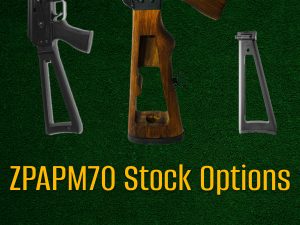
You can see that pattern on individual listings, too. The BLEM Anniversary M70 Furniture Set repeats that there may be minor imperfections, blemishes, and finish wear. The Blem PAPM77 DMR Stock also states that it is a blem product, notes that color may vary because the stock uses natural wood, and adds that slight hand fitting may be necessary. That is normal, specific, and refreshingly direct.
So when you think about buying blem parts, think “factory part with cosmetic quirks” first. That mindset will keep you calm, realistic, and much less likely to act like a tiny finish mark just ruined your week.
Why Buying Blem Parts Appeals To Smart Buyers
The most obvious reason is price. Zastava Arms USA’s blem section and product pages show discounted pricing, and some listings call out savings directly. The BLEM Anniversary M70 Furniture Set, for example, shows a reduced price, while a BLEM magazine listing notes 50% savings. In plain English, you may get real Zastava parts for less money because of minor visual flaws.
That makes buying blem parts especially attractive for owners who care more about fit, function, and factory origin than about showroom perfection. If your rifle earns range time, field time, and regular handling, a small cosmetic mark on a stock or furniture set may matter far less than the chance to buy authentic Zastava components at a better price. Zastava Arms USA’s main parts section exists specifically to help owners repair, customize, or upgrade with authentic parts, which fits this idea perfectly.
Also, let’s be honest: the first little scratch on a perfect part hurts more than it should. A blem often removes that fear. You install it, use it, enjoy it, and skip the emotional crisis over the first range mark.
Which Kinds Of Blem Issues You Will Usually See
When buying blem parts, the most common issues usually fall into a few harmless categories.
First comes finish wear. That may mean a small uneven patch, a light scuff, or a coating mark that affects looks more than anything else. Zastava Arms USA uses language like “finish wear” on its blem pages, so this is not guesswork.
Second comes surface blemishes or minor imperfections. Think tiny visual flaws in wood, metal, or coating. On wood parts, color variation can also appear because natural wood rarely reads the memo about looking identical. The blem PAPM77 stock specifically notes color variation from the photo because of natural wood construction.
Third comes fit notes. Some parts may require slight hand fitting. That does not mean the part is bad. It means you should read the listing, know your platform, and avoid forcing anything like you are trying to win a strength contest against your own rifle. The BLEM Anniversary M70 Furniture Set even warns that the upper handguard must go on with care and that too much force can crack it. That is useful information, not bad news.
How To Judge A Blem Part Before You Buy
Start with the product description. Not skim it. Actually read it. Zastava Arms USA often tells you the important stuff right there: what the blem means, whether sales are final, what the part fits, and whether slight fitting may be necessary. That gives you a clean checklist before you spend a dime.
Then confirm compatibility. Zastava Arms USA has dedicated parts categories for platforms like ZPAPM70 accessories, ZPAP 85/92 accessories, and handgun parts. Use those pages to stay inside the correct family instead of playing “maybe it fits” with your wallet.
After that, think about the role of the part. If you want a clean collector look, you may want to choose carefully. If you want a practical shooter setup, buying blem parts often makes even more sense. Stocks, handguards, and magazines that already come with small cosmetic quirks fit real-world use just fine.
Where Blem Parts Make The Most Sense
Furniture sets, stocks, and exterior accessories make excellent blem purchases because cosmetic imperfections matter less there for many buyers. The current blem listings themselves support that idea: furniture, wood stocks, and even blem magazines have appeared in the category.
That does not mean you buy blindly. It means you match the blem part to your goal. If you plan a rugged range rifle, a blem stock or handguard can look right at home. If you want to freshen up a ZPAP without paying full price for every external part, buying blem parts can be one of the smarter moves on the board.
A good example sits in the Zastava ecosystem already: the BLEM Anniversary M70 Furniture Set and the Blem PAPM77 DMR Stock both offer factory-source options for owners who value practical upgrades and authentic fit.
How To Inspect Blemished Parts After They Arrive
Once the part arrives, inspect it with a calm, methodical approach. Check the finish, edges, screw holes, contact surfaces, and overall shape. Compare what you see to the product description. If the listing mentioned slight hand fitting or natural color variation, treat those points as expected, not as a sign that the sky fell.
If the part installs on a ZPAP-pattern rifle, it helps to know your platform well. Zastava Arms USA offers platform-specific parts pages and technical content that make ownership easier. For long-term care, articles like ZPAP Wear Points at 500, 2,000, and 5,000 Rounds, Extractor And Ejector Checks On Zastava AKs, and Zastava AKs: A Quick Cleaning Routine That Prevents Rust help owners separate cosmetic issues from real maintenance concerns.
That is a big part of buying blem parts smartly: know what matters, know what does not, and do not confuse a finish mark with a function problem.
The Smart Mindset For Buying Blem Parts
The smartest buyers do not ask, “Is blem bad?” They ask, “What exactly does the listing say, and does that tradeoff fit my goal?” That is the whole game.
On Zastava Arms USA, “blem” usually means minor cosmetic imperfections, finish wear, or other small visual issues, with product pages often spelling out fit notes and final-sale terms. That makes buying blem parts less mysterious than many people assume.
If you want authentic Zastava components, practical savings, and a rifle setup built for real use, blem parts can make a lot of sense. Read the listing, confirm fit, inspect the part, and enjoy the value. In other words: buy with your eyes open, not with panic, and definitely not with the energy of a guy who thinks one tiny finish mark means the universe has turned against him.
For more factory-source options, you can browse Zastava’s parts catalog, explore ZPAPM70 accessories, or check current blem and clearance parts directly.