Point of Impact Shifts can confuse a new shooter fast. One group lands center. The next group lands a bit left. Then the rifle seems to print higher after a few magazines. Before panic arrives with a tiny clipboard, relax. Point of Impact Shifts often come from simple, trackable causes: ammo, heat, sight picture, support, optic setup, or shooter position. With a quality Zastava rifle and a smart range routine, you can spot patterns and make sense of them.
What Point of Impact Shifts Mean
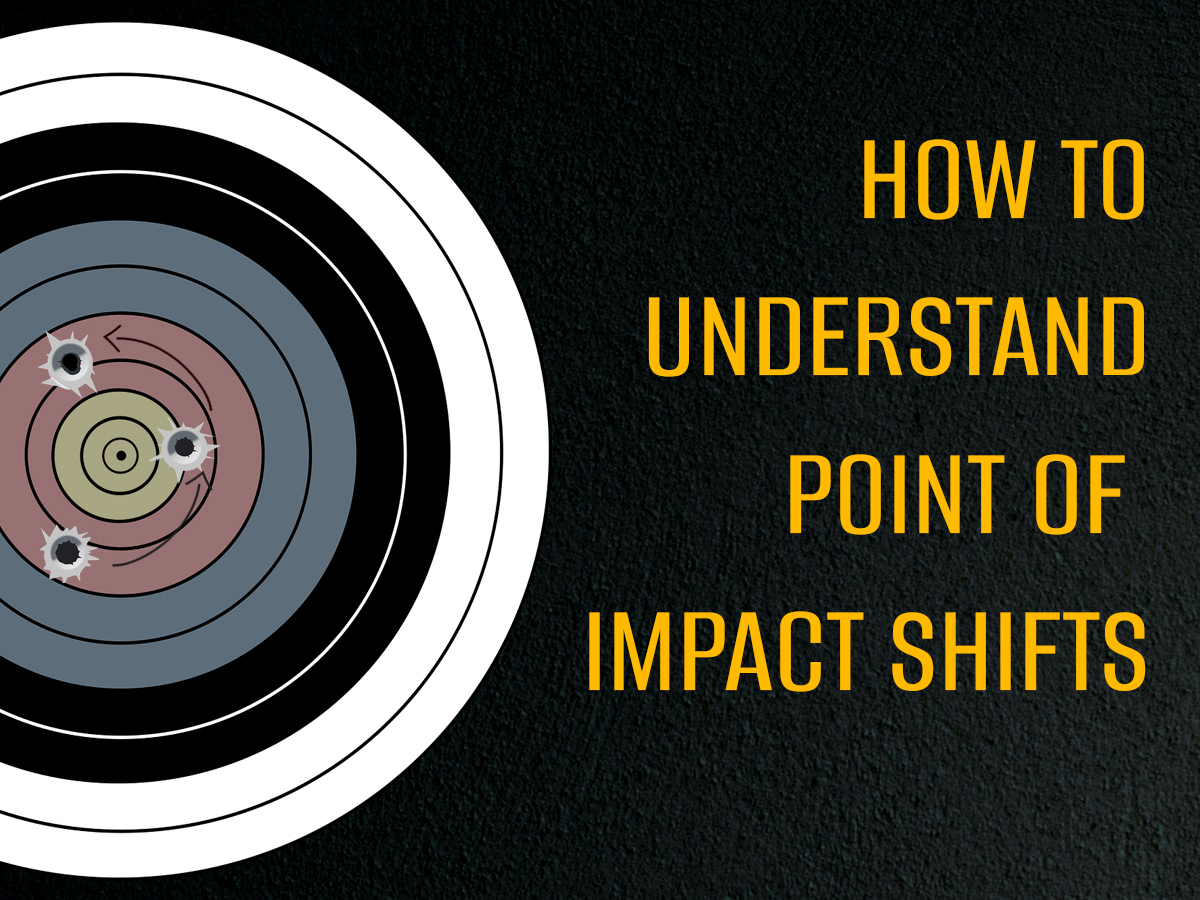
Point of Impact Shifts describe a change between where you aim and where your rounds land. Your point of aim stays the same, but the group moves.
That shift does not mean your rifle has “mood swings.” It means one or more variables changed. A Zastava AK rewards consistency. Keep the rifle, ammo, sight picture, rest, and pace consistent, and you can read the target like a little paper detective.
For a strong baseline, start with the ZPAPM70 or explore the full Zastava AK lineup. A steady platform helps you learn what changes matter.
Start With A Clean Baseline
Before you diagnose Point of Impact Shifts, create a baseline. Use one target distance. Use one ammo type. Use one rest or one steady position. Fire slow, careful groups. Do not chase every single shot like it owes you money.
A three-shot group can hint at a pattern, but a five-shot group tells a clearer story. Mark the target with date, distance, ammo, rifle setup, and weather. This habit turns “Huh, weird” into useful data.
Zastava’s AK shooting drills for new owners recommend a slow zero-check group, careful shot control, and notes on point of impact. That same routine works perfectly here.
Check Your Ammo Notes
Ammo can change Point of Impact Shifts more than many shooters expect. Different bullet weights, brands, lots, and velocities can land in different places. Your rifle may shoot each type well, yet each type may place groups in a slightly different area.
That does not create a problem. It creates a map. Pick one load for your zero. Then test other ammo and write down the shift. Your range bag may soon contain targets with notes that look like a tiny science fair. Good. Science wins.
For 7.62x39mm fans, the ZPAPM70 series gives you a rugged platform for that process. For 5.56 shooters, the ZPAPM90 offers an accurate, easy-to-control Zastava option.
Watch Heat And Pace
As a rifle heats up, Point of Impact Shifts can appear. Heat affects metal, barrel behavior, handguard feel, and shooter comfort. Your groups may move slightly after several faster strings.
This does not mean you need to treat your rifle like a porcelain teacup. Zastava rifles have a strong reputation for tough, practical use. It just means your notes should include pace. “Five slow shots” and “three magazines at fun speed” tell different stories.
Try this: fire one slow group from a cool rifle. Then fire a few controlled strings. After that, fire another careful group. Compare targets. Now you have data, not campfire rumors.
Confirm Your Sights Or Optic Setup
Sight or optic setup can also affect Point of Impact Shifts. Iron sights need a consistent sight picture. Optics need a secure mount, correct eye position, and repeatable cheek weld. Small changes can move hits.
For ZPAPM70 owners who use optics, the Zastava M70 Scope Mount from the ZPAPM70 accessories category offers a relevant factory-source path for optic support. The same category also includes rails, handguards, stocks, and furniture options that help shooters build a comfortable, consistent setup.
Comfort matters. A repeatable cheek weld beats “my face lands somewhere near the stock” every time.
Pay Attention To Support And Position
Your support method can cause Point of Impact Shifts. A bench bag under one area of the rifle may produce a different group than a field position. A tight grip may move shots. A loose grip may move shots. Your shoulder pressure, cheek weld, and trigger press all add their tiny votes.
Use the same position for your baseline. Then test other positions on purpose. Standing, bench, supported, and kneeling may each show a slightly different pattern. That knowledge helps you use your Zastava rifle with confidence across real range drills.
Think of it like driving. Same car, different road, different feel. Nobody blames the steering wheel for gravel.
Do Not Chase Every Shot
The biggest mistake with Point of Impact Shifts comes from constant adjustment. One shot lands right, so the shooter adjusts. Next shot lands low, so another adjustment follows. Soon the target looks like a treasure map made by a squirrel.
Adjust from groups, not lone shots. A single shot can reflect trigger press, breath, sight picture, or plain human weirdness. A group shows the average.
Fire a group. Mark it. Let the rifle cool if needed. Fire another group. If the pattern repeats, then adjust. If it does not repeat, keep testing.
Keep The Rifle Maintained
A clean, well-lubed rifle helps consistency. Zastava’s ZPAP break-in guide focuses on safe function, smart lubrication, consistent cycling, and practical post-range care. That approach fits Point of Impact Shifts too.
You do not need strange rituals. You need correct ammo, safe handling, a clean bore, proper lubrication, and a repeatable routine. Inspect the rifle after range trips. Keep contact points clean. Use the owner’s manual as your main guide.
A steady rifle care routine supports steady range results. Fancy? No. Effective? Absolutely.
Build A Simple Range Log
A range log may sound dull, but it helps decode Point of Impact Shifts fast. Write down:
- Rifle model
- Ammo type
- Distance
- Sight or optic setup
- Temperature and wind
- Support method
- Group location
- Any adjustment
After a few trips, patterns appear. Maybe one ammo type prints one inch higher. Maybe your groups shift after rapid strings. Maybe your optic setup needs a small tune. The log tells the truth without drama.
Your future self will thank you. Future self loves useful notes and probably snacks.
Final Thoughts On Point Of Impact Shifts
Point of Impact Shifts do not need mystery, panic, or internet folklore. Treat them as clues. Use a stable Zastava platform, one ammo type, careful groups, steady support, and clear notes. Change one variable at a time.
The goal does not equal perfection from one target. The goal equals repeatable knowledge. Once you know how your Zastava rifle behaves, you can zero with confidence, train with purpose, and enjoy range time more.
Start simple, keep records, follow safe range rules, and let the target teach you. Point of Impact Shifts make far more sense when you turn them from a surprise into a system.