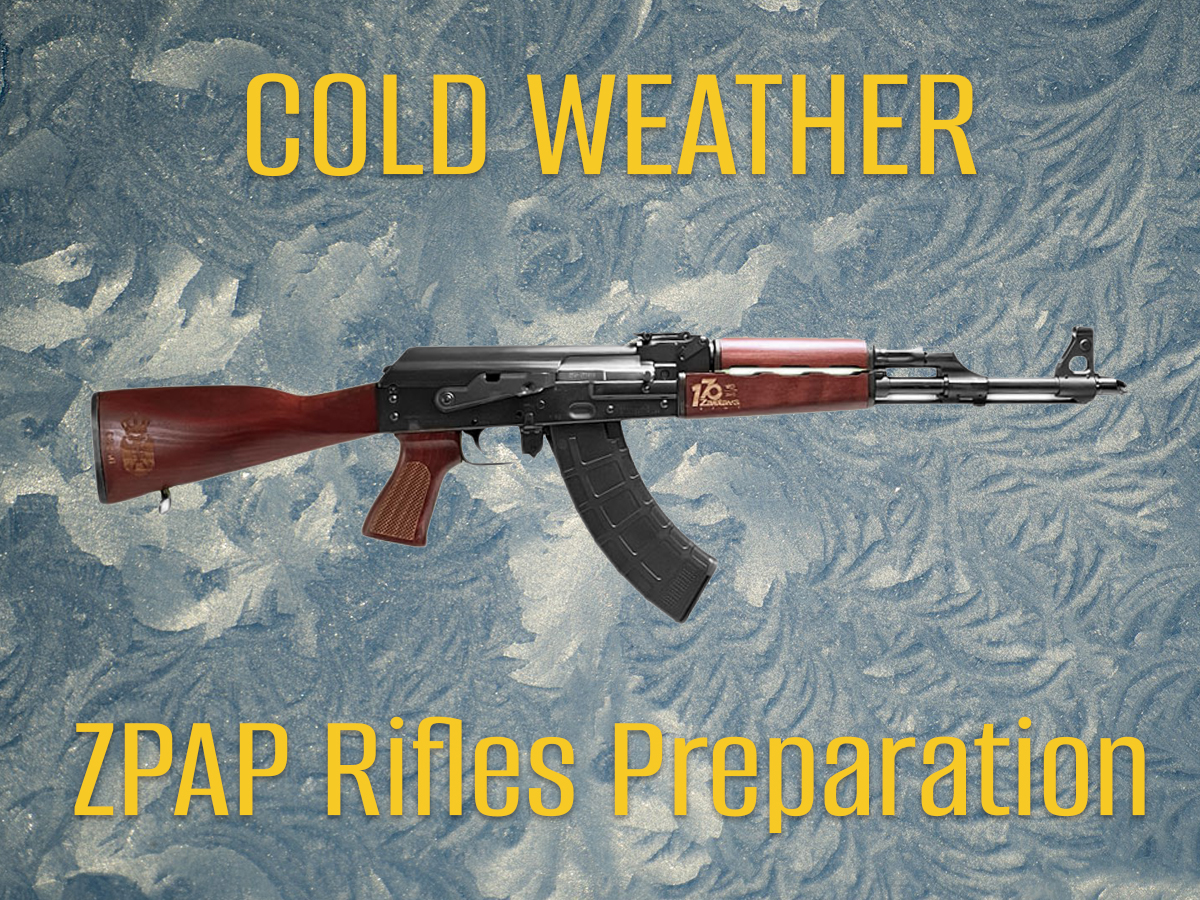
Cold weather does not “break” a ZPAP. It just exposes lazy habits. If you treat winter like a gear test—thin lube, dry surfaces, smart storage, and a quick post-trip wipe—cold weather ZPAP rifles run like they mean it. Zastava even describes the ZPAPM70 as capable of functioning in all environments, with rugged, no-nonsense features built for real use.
Below is a practical, Zastava-only winter routine you can repeat all season.
Start With The Official Baseline (Yes, The Manual Matters)
Before you chase “winter hacks,” lock in the basics from Zastava’s own documentation. Zastava’s owner’s manuals stress safety, proper handling, and responsible prep before use. For example, the ZPAP manuals call out eye protection and general safe operation practices.
Keep the official library close via Owner’s Manuals.
Winter tip: cold makes people rush. The manual pace keeps you calm, deliberate, and consistent—exactly what cold weather ZPAP rifles like.
Win The Cold With “Less Lube, Right Places”
Cold turns thick oils into slow motion. That sluggish feel can show up as a lazy return to battery, sticky cycling, or controls that feel like they moved through syrup. Outdoor publications that cover winter gun care note that some oils can thicken and create sluggish action in cold conditions.
So do this instead:
- Use a cold-ready cleaner/lube, then apply a thin film, not a bath.
- Focus on high-contact surfaces (rails, carrier contact zones, bolt bearing areas).
- Keep the gas system areas free of wet oil where it does not help.
Zastava’s own maintenance content aligns with that “light coat on high-wear surfaces” mindset, including a simple lube plan you can run anywhere. See Field Repairs on Zastava AKs for a field-friendly routine that highlights key wear surfaces.
For a Zastava-native solution, use DRNCH. Zastava describes DRNCH as usable at very low temperatures, with cleaning plus short-term corrosion protection—exactly what cold weather ZPAP rifles need when snow and wet gloves join the party.
If you want the background and use cases, read DRNCH Cleaner/Lube Origins & Why It Matters.
Protect The “Snow Magnet” Areas: Muzzle, Mag, And Controls
Winter adds three enemies: moisture, ice, and grit.
- Muzzle device and threads: brush and wipe after range time, especially if you run a device that traps carbon. Zastava’s maintenance content on carbon fouling calls out thread care and smart lube points. See AK Carbon Fouling: Causes, Cleaning, And Maintenance.
- Magazines: keep them dry. Snow melts, then refreezes, then your mag acts like it wants a sick day. Store mags in a pouch or pocket that blocks direct snow contact. A quick wipe beats a complicated fix.
- Selector and charging handle: gloves reduce feel. Practice deliberate, repeatable motion, not speed-runs. If you want safe skill work that fits cold weather ZPAP rifles, add dry practice from Dry-Fire And At-Home Training Plans For ZPAP Owners.
Manage Condensation Like A Pro (The “Sweat” Phase)
The biggest winter gotcha often shows up after you leave the cold.
When you bring a cold rifle into a warm space, it “sweats.” The U.S. Army explicitly warns about condensation after moving a weapon into warmer air and advises you to wait until the sweating stops before you attempt cleaning, since the process can continue for a while.
A clean routine for cold weather ZPAP rifles:
- Keep the rifle near a cooler part of the room at first (not right next to a heater).
- Let visible moisture finish its “sweat show.”
- Wipe external metal and exposed areas.
- Then do your normal post-range care.
For a fast Zastava-specific after-range flow, use Cleaning A ZPAP After A Range Day. It lays out a simple routine and points you to DRNCH for consistent upkeep.
Choose A Winter-Friendly ZPAP Setup (Keep It Simple)
Cold weather ZPAP rifles reward simple setups. Every extra gadget adds another surface where ice, snow, and glove bulk can cause drama.
If you want a classic rifle platform, browse ZPAPM70.
Zastava’s product pages describe the ZPAPM70 line as rugged and built for real-world use across conditions.
If you want a compact option, check ZPAP92 or the detailed ZPAP92 product page. Zastava lists features like a 1.5mm receiver, bulged trunnion, and a chrome-lined cold hammer-forged barrel on ZPAP92 variants—features that pair well with winter moisture and hard use.
You can also build comfort for gloves and cold hands through factory-fit accessories from Parts – ZPAPM70 Accessories and Parts – ZPAP 85/92 Accessories.
Keep A Small, Smart Winter Kit (No Clown-Car Range Bag)
Cold weather ZPAP rifles do not demand a hardware store. They demand a small kit you actually use:
- DRNCH bottle (or two if you live in actual winter, not “light jacket winter”): DRNCH
- Rag or shop towels in a zip bag (dry matters)
- Bore snake or pull-through
- Nylon brush for bolt face and rails
- A basic tool roll approach from Field Repairs on Zastava AKs
That kit supports quick wipe-downs, light lube, and a return to “ready” without drama.
Make Chrome Lining Your Winter Friend
Winter brings moisture. Moisture brings corrosion risk. Zastava’s own education on chrome-lined barrels highlights durability and longevity advantages in practical use. If you want the deeper read, see What Makes Zastava Chrome-Lined Barrels Stand Out?.
Pair that barrel advantage with the condensation routine above, and cold weather ZPAP rifles stay happy for the long haul.
A Simple Winter Checklist You Can Repeat
Before you go out:
- Confirm function, controls, and a light lube film.
- Pack DRNCH + rag + pull-through.
- Dress for safe manipulation (gloves you can actually run).
During range time:
- Keep snow out of the action.
- Wipe moisture when you see it.
- Stay deliberate with controls.
After you go inside:
- Let the rifle finish “sweat mode.”
- Wipe down.
- Run the Zastava post-range routine.
That’s it. No rituals. No weird voodoo. Just repeatable care that keeps cold weather ZPAP rifles ready.