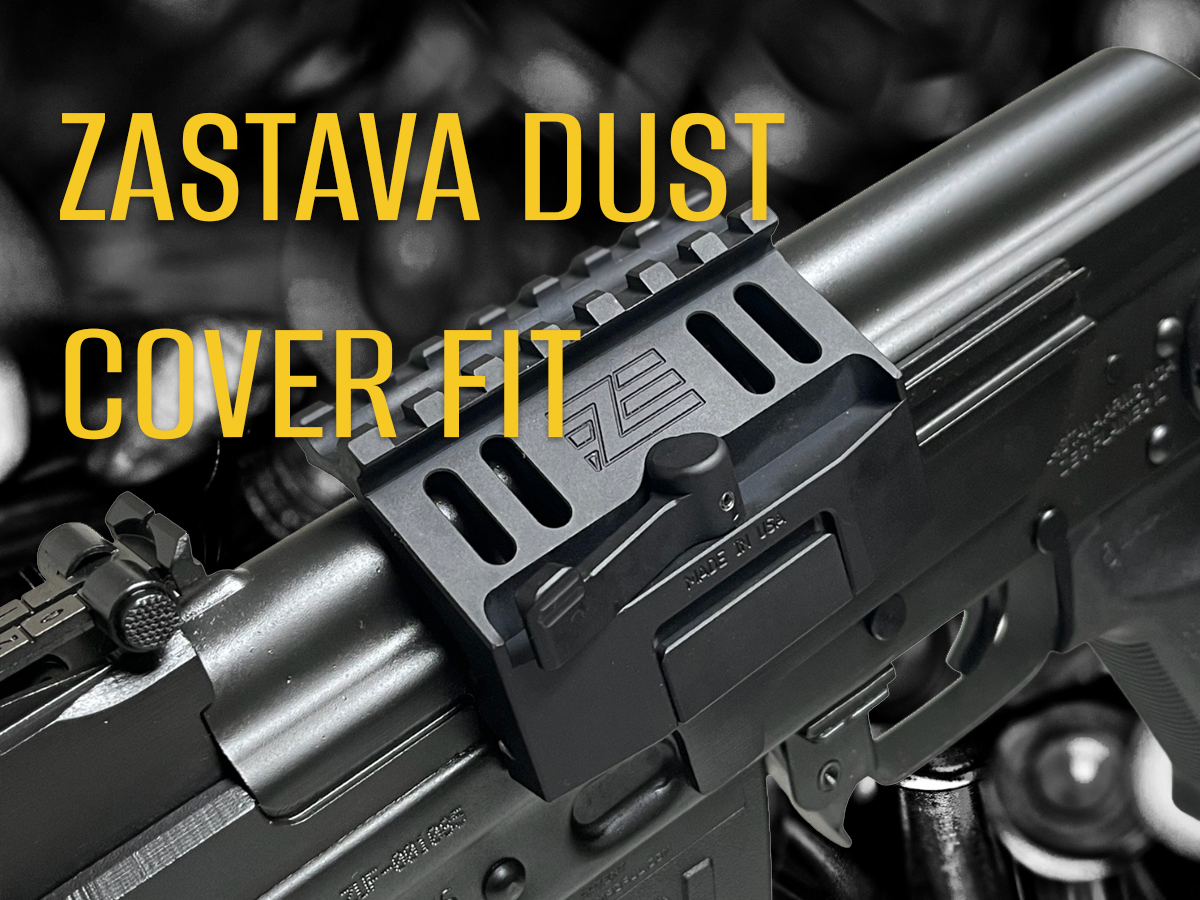
A lot of owners notice a little movement in the ZPAP dust cover and immediately assume disaster. Relax. Your rifle did not wake up one morning and decide to fall apart out of spite. On the ZPAP platform, the dust cover, recoil spring assembly, and rear locking point all work together, so a small amount of movement does not always mean something is wrong. Zastava’s manual identifies the receiver dust cover as a standard operating part, and the normal field-strip process confirms how that cover locks into place during reassembly.
Start With the Most Important Point
If your ZPAP dust cover feels loose, check function before you panic. Does the recoil spring button sit fully through the rear opening? Does the cover stay seated during handling? Does the rifle field strip and reassemble normally? Those questions matter more than whether the cover wiggles a little when you press on it with your thumb like a suspicious mechanic in a movie montage. Zastava’s field-strip guidance shows that the dust cover comes off and goes back on through the rear button and recoil spring assembly, so fit at that rear lockup point matters most.
Know How the ZPAP Dust Cover Locks In
The ZPAP dust cover does not just float on top of the rifle and hope for the best. The front edge indexes into the rear sight block area, while the rear end locks against the recoil spring assembly button. That means dust cover fit depends on more than the cover alone. If the recoil spring assembly does not seat correctly, the rear of the cover can feel loose even when the cover itself has no issue. Zastava’s manual and parts diagrams identify the related components clearly: the cover, recoil spring, recoil spring guide, and securing plate all play a role in the upper receiver area during assembly.
Check the Recoil Spring Assembly First
This is the first thing I would inspect on any ZPAP dust cover that feels loose. Remove the cover, then reinstall the recoil spring assembly carefully. Make sure it sits all the way forward and locks where it should. Then reinstall the cover and confirm that the rear button protrudes properly through the opening.
Why start here? Because a cover often feels loose when the spring assembly sits just a little off. Not wildly wrong. Not “what in the garage gunsmith happened here” wrong. Just enough to create extra play. Zastava’s own field-strip article tells owners to remove the dust cover by pressing the rear button, then remove the recoil spring assembly, which confirms the direct relationship between those two parts during both removal and installation.
Inspect the Rear Button and Lockup
Next, look at the rear button area. On the ZPAP dust cover, the rear opening should match up cleanly with the recoil spring button. If the button looks shallow, off-center, or reluctant to sit proud through the back of the cover, that usually points you back to installation and seating.
You do not need to overcomplicate this. A good rear lockup looks obvious. The button sits where it belongs, the cover stays down, and the whole assembly feels secure. A bad fit tends to announce itself fast. The cover shifts more than expected, the rear end lifts too easily, or the button never looks quite right. Zastava’s manual shows this rear-button removal system as part of standard disassembly, which makes it one of the main checkpoints for dust cover fit.
Look at the Front Lip of the Cover
The front edge of the ZPAP dust cover also deserves attention. If that front lip does not seat correctly into its forward contact point, the cover can rock or shift even when the rear button appears fine. During reassembly, guide the front into place first, then bring the rear down into alignment.
This sounds basic because it is basic. Yet basic checks solve a shocking number of “my rifle feels weird” moments. Many fit complaints come from a cover that sits close to correct, but not fully correct. That is the mechanical equivalent of a shirt buttoned one hole off. Technically wearable. Obviously not right. The manual’s field-strip sequence and Zastava’s cleaning guide both reinforce the normal remove-and-reinstall order for the dust cover and recoil spring assembly.
Check for Wear, Not Just Wiggle
A little movement alone does not condemn a ZPAP dust cover. What you want to check is unusual wear, deformation, or obvious mismatch. Look for:
- Uneven contact marks
- A bent rear opening
- Distortion along the side rails
- A front lip that no longer sits square
- A recoil spring button that no longer locks with confidence
If everything looks even and the rifle reassembles correctly, minor movement may simply fall within normal expectations for the platform. Zastava’s owner’s manual notes that the rifle comes factory tested and inspected, and the parts page confirms that the dust cover and recoil spring components remain identifiable, replaceable factory parts if needed.
Do Not Ignore the Parts Around It
The ZPAP dust cover never works alone. If you chase the cover and ignore the surrounding parts, you may miss the real cause. The recoil spring guide, recoil spring, and securing components all affect how the rear end locks up. Zastava’s exploded ZPAPM70 parts view lists the recoil spring, recoil spring guide, recoil spring guide front, securing plate, and cover as distinct parts, which helps confirm that dust cover feel can come from several linked components rather than one isolated piece.
That is actually good news. It means the rifle gives you clear checkpoints instead of some mysterious gremlin that appears only when friends visit the range.
Clean Before You Judge Fit
Grime can make a ZPAP dust cover feel odd in both directions. Fouling and debris can keep parts from seating fully, while oil and residue can make a cover feel slick and vague during hand checks. Before you decide something feels “wrong,” field strip the rifle and clean the relevant contact areas.
Zastava’s recent maintenance article lays out the standard process clearly: remove the dust cover, remove the recoil spring assembly, remove the carrier and bolt, and continue cleaning from there. That process gives you direct access to the points that affect dust cover fit. If you have not cleaned the rifle since your last range day, now you have both a reason and a plan. See Cleaning a ZPAP After a Range Day for a practical refresher.
Field Strip It the Right Way
A correct field strip tells you a lot about ZPAP dust cover fit. If the cover removes normally, the recoil spring assembly comes out cleanly, and everything goes back together without drama, that usually points toward healthy geometry and normal function. If something binds, sits crooked, or refuses to lock cleanly, you found your clue.
Zastava also has a useful article on practical maintenance checks in Field Repairs on Zastava AKs. That post walks through small, realistic checks and reinforces the same field-strip order that matters here: dust cover first, then recoil spring, then carrier and bolt. That sequence matters because each part affects the next.
Use Factory Parts When You Need a Replacement
If your inspection shows actual damage, the smart move is simple: use factory-supported parts. The Zastava Arms USA parts listing for the ZPAPM70 includes the cover and related recoil spring components, which gives owners a direct source for model-correct replacement parts. That matters because good fit starts with the right geometry. Good geometry starts with the right part. Mechanical poetry, really.
You can check the current factory parts listing here: ZPAPM70 – parts.
If you want to browse the wider accessory lineup for the rifle, the ZPAPM70 accessories section is a solid starting point.
Remember the ZPAP Platform’s Reputation
The ZPAP dust cover question makes more sense when you look at the rifle as a whole. Zastava positions the ZPAPM70 as a rugged Serbian-made rifle built for hard use, and the company’s recent blog content keeps that same focus on reliability, serviceability, and straightforward maintenance. In other words, this platform expects owners to field strip it, inspect it, clean it, and keep it running with confidence. That is a feature, not a flaw.
If you want the broader rifle page, you can start with the ZPAPM70 product page. For owners who like upgrades and factory-fit accessories, the Zastava M70 Modular Upgrade Kit also shows how Zastava supports the platform with purpose-built hardware.
Wrapping Up
A loose-feeling ZPAP dust cover does not automatically signal a problem. In many cases, the answer comes down to correct seating, clean contact points, and a properly installed recoil spring assembly. The good news? Zastava gives owners exactly what they need to check it with confidence: a clear manual, a straightforward field-strip process, and factory parts support. That makes this one of those rifle issues that usually rewards calm hands and simple checks, not panic and interpretive troubleshooting.